

Thinking of starting your own e-commerce site, but not sure where to begin? One of the first decisions you need to make is choosing the best e-commerce website builder that fits your brand and long-term plans.
Years ago, sellers had to build their online stores from scratch with little guidance, which slowed down the entire process. With constant updates needed to keep sites running properly, this often turned into a time-consuming struggle.
Now, website builders give sellers a much easier way to build professional sites without needing extensive technical skills. But with so many options on the market, choosing the right one matters because switching later can be expensive and disruptive.
Here, our Amazon agency will break down the best e-commerce website builders for sellers of all sizes. We also share the pros, cons, and key features of each platform to help you choose the right one for your brand.
Table of Contents
Need Help Launching Your Store?
Building an e-commerce site can be overwhelming, but you don’t have to do it alone.
Why Choosing the Best E-commerce Website Builder Is Important
Building an e-commerce website isn’t free, and costs can range from a few hundred dollars for a basic setup to as high as $20,000 for something fully custom. Before you invest that kind of money, you need to choose the best e-commerce website builder for your brand so you’re not spending blindly.
Not every builder offers the same tools, and some platforms work better for certain product types, store sizes, or long-term growth plans. Depending on your inventory needs, design style, and how much control you want, the right builder will make your site easier to manage and help you convert more visitors into buyers.
Best E-commerce Website Builder for Your Brand
There are a lot of website builders out there, but a few top options are tried and tested by e-commerce sellers. These platforms offer the tools, features, and flexibility you need to build a professional store that supports your brand and drives sales.
| Website Builder | Best For |
|---|---|
|
Shopify |
All-in-one, scalable e-commerce stores |
|
WordPress + WooCommerce |
Full control and customization |
|
Wix |
Beginners needing drag-and-drop ease |
|
BigCommerce |
Growing businesses with complex needs
|
|
Squarespace |
Design-focused, visually polished stores |
|
Hostinger |
Quick AI-assisted store setup |
|
GoDaddy |
Simple, fast setup for small businesses |
|
Sellfy |
Creators selling digital or print-on-demand products |
1. Shopify
Shopify is a leading e-commerce platform designed to help sellers quickly launch and manage online stores without needing extensive technical skills. With over 5.4 million active stores worldwide, Shopify powers a large portion of global e-commerce and is used by notable brands like Gymshark, Mattel, and SKIMS.
It’s built for sellers of all sizes, from entrepreneurs starting their first store to large enterprises needing scalable solutions. Shopify makes it easy to manage products, payments, and marketing tools in one place, which explains why it has become one of the most popular choices for e-commerce businesses.

Pros of Using Shopify
- Extremely user-friendly
- All-in-one platform with hosting, payments, and built-in marketing tools
- Scalable for businesses of all sizes
Cons of Using Shopify
- Costs can add up with apps, themes, and transaction fees
- Limited customization for complex designs
- Difficult to migrate to another platform
2. WordPress
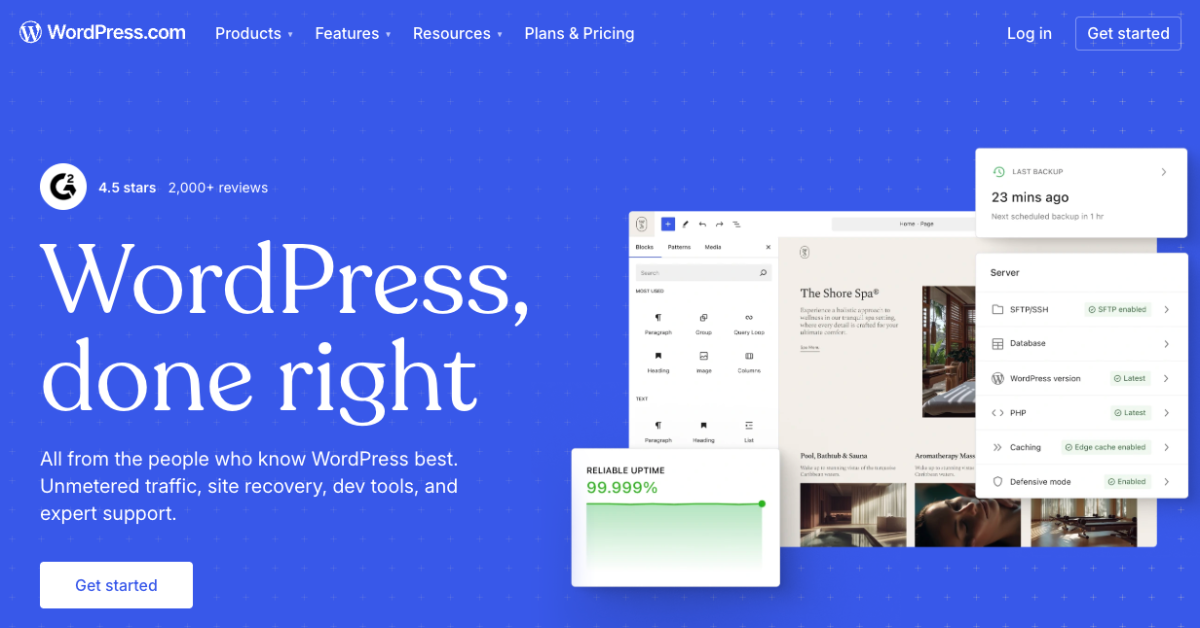
WordPress powers over 43% of all websites, whether simple blogs, business sites, or e-commerce stores. It’s an open-source content management system that allows anyone to build a site while giving full control over design, layout, and functionality.
For e-commerce sellers, WooCommerce is the most popular plugin to turn a WordPress site into a powerful online store. WordPress with WooCommerce is especially great for brands that want complete customization, SEO benefits, and scalable growth.
Pros of Using WordPress
- Full control over design, features, and branding
- SEO-friendly with built-in tools and plugins
- Cost-effective and scalable for businesses of all sizes
Cons of Using WordPress
- Requires more technical setup and maintenance than all-in-one platforms
- You are responsible for hosting, security, and updates
- It can be overwhelming for beginners without developer help
3. Wix
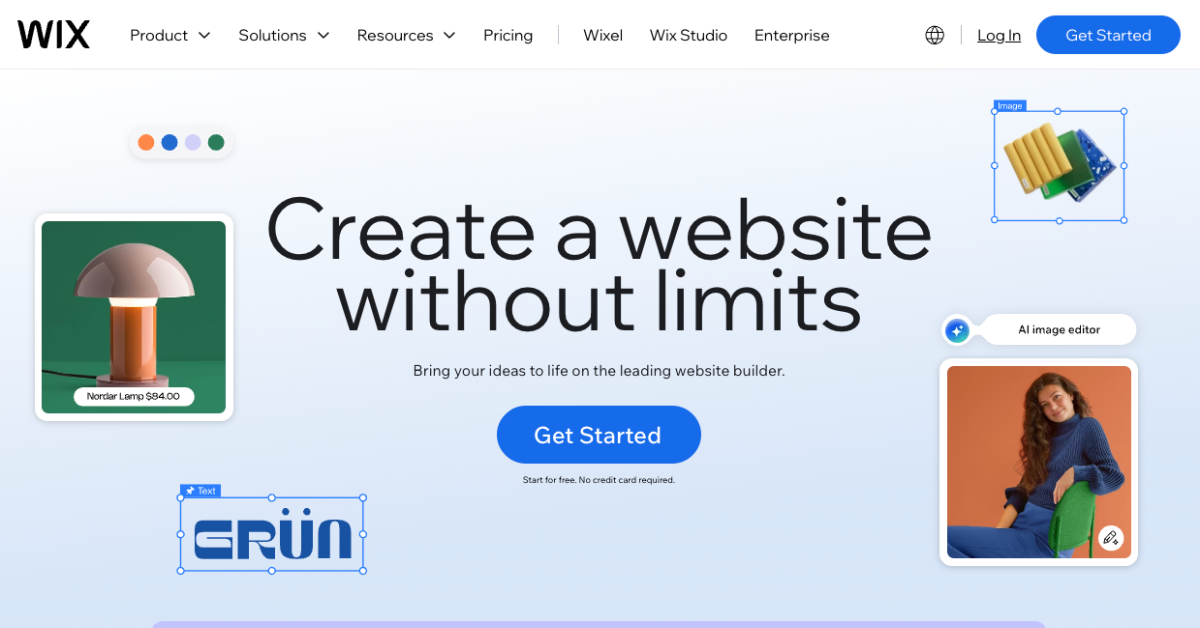
For sellers who don’t have much experience with building websites, Wix is a great option because it offers a drag-and-drop editor that makes site creation simple and intuitive. It allows brands to design professional online stores using all the tools needed for e-commerce, including templates, payment integrations, and marketing features.
Wix has grown to over 250 million users worldwide, serving a mix of solopreneurs, small businesses, and agencies. Notable brands using Wix include HelloFresh and Barilla, showing its capability to support both creative and commercial websites.
Pros of Using Wix
- Extremely user-friendly drag-and-drop editor
- Hundreds of templates and built-in e-commerce tools
- No coding required, with optional advanced tools for developers
Cons of Using Wix
- Less flexibility for complex, large-scale customizations
- It can become expensive when adding premium apps and features
- Limited scalability for high-volume enterprise stores compared to other platforms
4. BigCommerce
BigCommerce is a scalable e-commerce platform built for growing businesses that need advanced features and strong performance. It’s designed to handle high traffic, large inventories, and multi-channel selling, making it ideal for sellers anticipating rapid growth.
The platform is praised for its robust built-in tools, SEO capabilities, and lack of transaction fees, while also supporting B2B features like customer groups, custom pricing, and multi-currency options. Some of the well-known brands using BigCommerce include Toyota and Ben & Jerry’s, showing that it works well for large businesses.

Pros of Using BigCommerce
- No transaction fees on any sales
- Powerful built-in SEO and multi-channel selling tools
- Highly scalable for growing businesses and large inventories
Cons of Using BigCommerce
- Less intuitive drag-and-drop editor compared to simpler builders
- Some advanced features require higher-tier plans
- It can have a steeper learning curve for beginners
Want a High-Performing Online Store?
Let our Amazon agency handle the technical details so you can focus on growing sales.
5. Squarespace
When it comes to building a website, design plays a huge role since it directly impacts user experience. Because of this, many brands choose Squarespace for their e-commerce sites, as it offers stunning, design-focused templates and an all-in-one platform that makes site creation simple and professional.
Squarespace has become one of the most popular website builders for creative and design-conscious businesses. Brands like Oishii and Glossier use Squarespace, showing how it works well for visually-driven stores and polished brand experiences.

Pros of Using Squarespace
- Beautiful, highly customizable, mobile-responsive templates
- All-in-one platform with hosting, marketing, analytics, and AI tools
- Great for creative brands, digital products, and service-based businesses
Cons of Using Squarespace
- Transaction fees apply to lower-tier plans
- Less scalable for very large, high-volume e-commerce operations
- Fewer advanced e-commerce features compared to other platforms
6. Hostinger
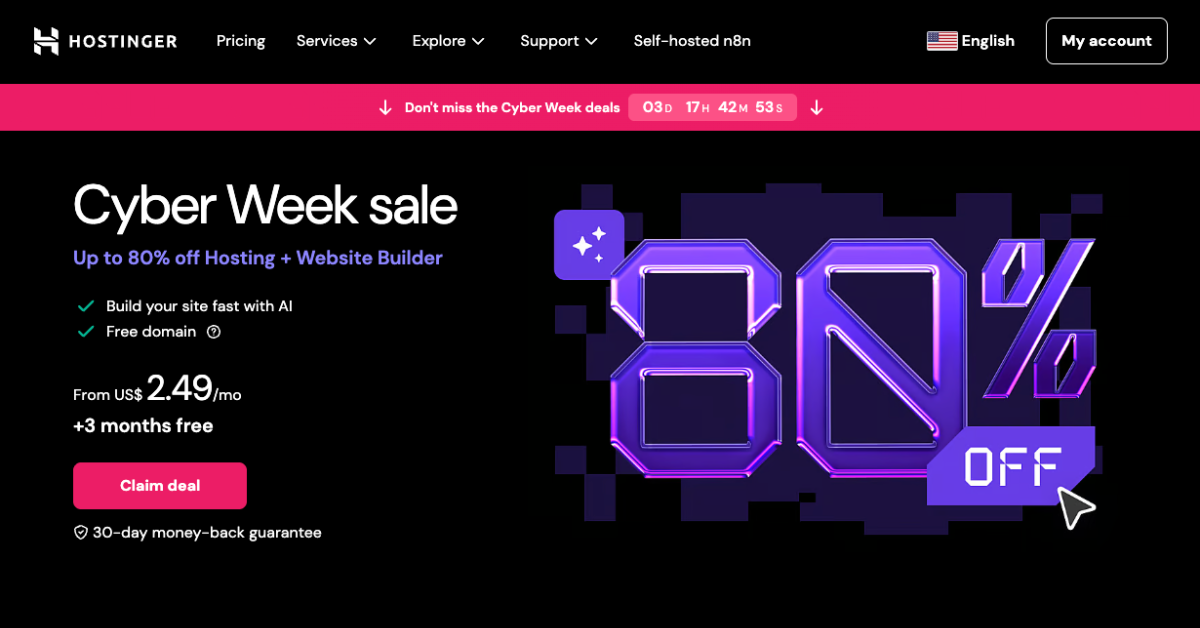
AI has become a staple for many e-commerce sellers because it helps speed up store creation and content generation. One of the platforms that implements this well is Hostinger, offering an AI-powered e-commerce builder that makes it simple for anyone to launch a professional online store.
Hostinger includes features such as integrated hosting, free domain, SSL, payment gateways, and drag-and-drop editing. For beginners or sellers wanting to launch quickly without coding, Hostinger is a cost-effective and user-friendly choice for building a complete e-commerce site.
Pros of Using Hostinger
- AI-powered tools for quick store and content creation
- All-in-one platform with hosting, domain, SSL, and payments
- Extremely beginner-friendly with a drag-and-drop editor
Cons of Using Hostinger
- Limited advanced features compared to Shopify or BigCommerce
- Less suitable for very large or complex stores
- Fewer templates and customization options than design-focused builders
7. GoDaddy
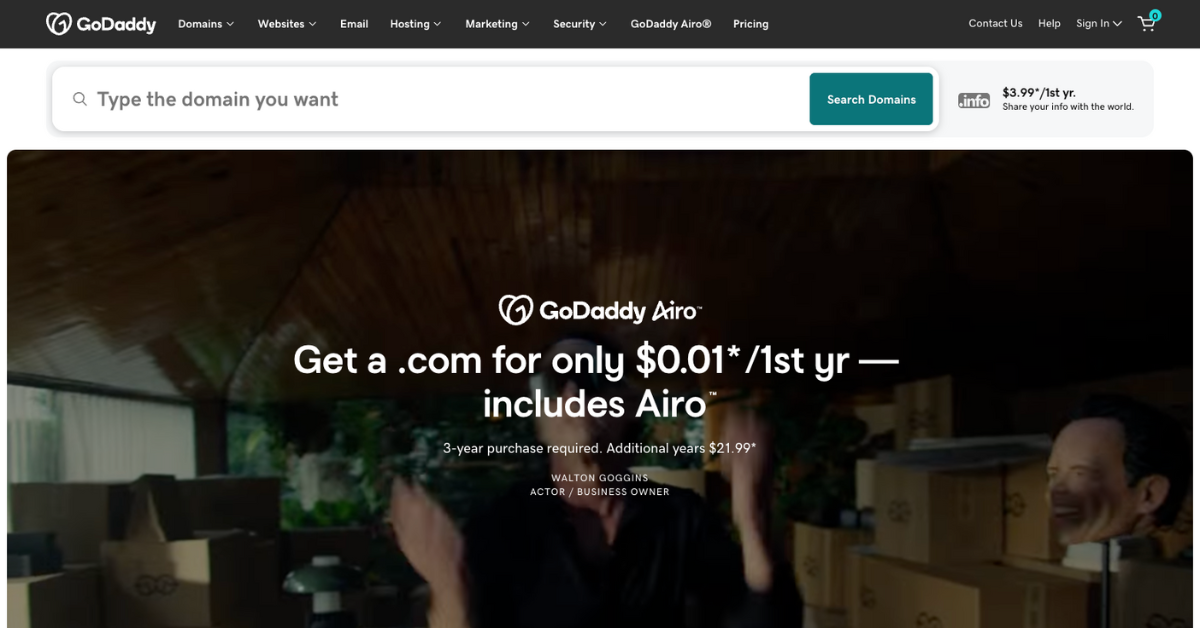
GoDaddy is an e-commerce builder designed for beginners and small businesses that need a quick, easy, all-in-one solution. It includes domain, hosting, store setup, drag-and-drop editing, and built-in marketing tools, making it simple to launch a professional online store quickly.
GoDaddy works best for non-technical users and small businesses managing a few products who want an all-in-one platform with minimal setup. Brands benefit from its professional templates, integrated marketing, and 24/7 support, though it’s less customizable and scalable than other platforms.
Pros of Using GoDaddy
- Extremely easy to use with a drag-and-drop editor
- Quick setup with professional templates and built-in marketing
- 24/7 support and all-in-one platform (domain, hosting, store)
Cons of Using GoDaddy
- Limited customization compared to Wix or Shopify
- Fewer advanced tools for large-scale growth
- Not ideal for complex or rapidly scaling stores
8. Sellfy
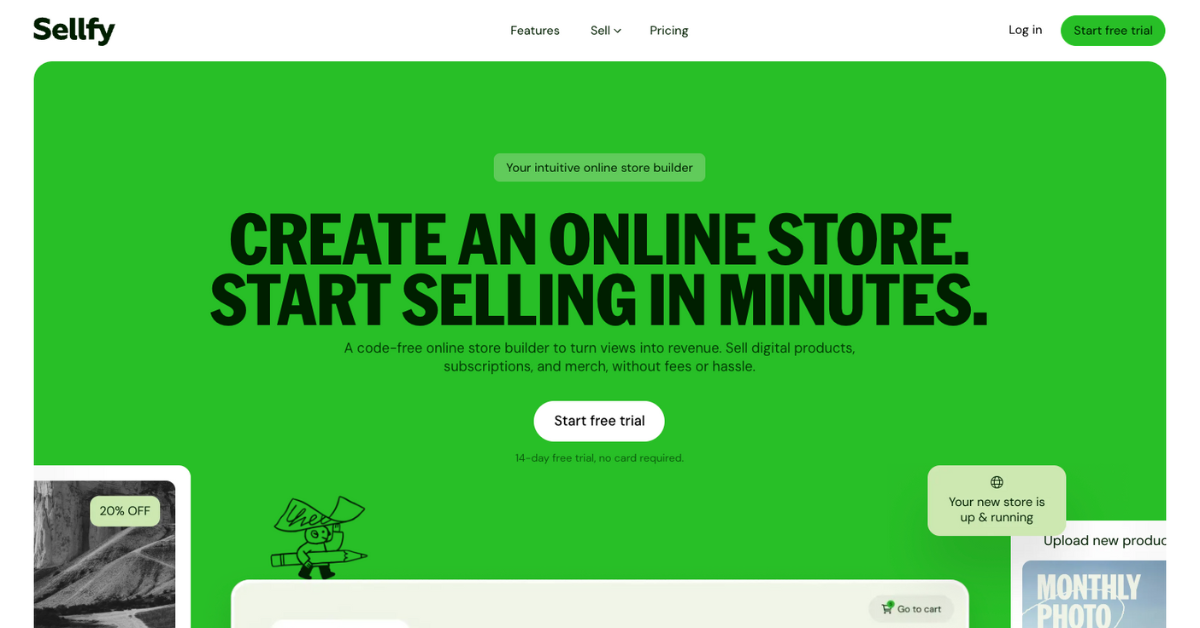
Sellfy is one of the easiest ways to build an online store since it only requires a few simple steps to get started. It’s an all-in-one platform designed for creators, helping even beginner sellers set up and manage their online store without any coding.
Sellfy allows users to sell digital downloads, physical products, print-on-demand merchandise, and subscriptions, all from a single dashboard. It’s especially popular with artists, writers, and musicians who want a quick, hassle-free way to sell online while using built-in marketing and payment tools.
Pros of Using Sellfy
- Extremely easy to use with no coding required
- Supports digital products, physical items, and subscriptions
- Built-in marketing tools and instant payouts with no transaction fees
Cons of Using Sellfy
- Limited advanced features compared to other platforms
- Less suitable for large or complex e-commerce stores
- Fewer customization options for branding and design
FAQs About E-commerce Website Builders
Are there e-commerce website builders that are free for getting started?
Yes. Platforms like WordPress (with WooCommerce), Wix, and Sellfy offer free plans or trials that let you start building your store, though advanced features usually require paid plans.
Which website builder is easiest for beginners with no coding experience?
Wix, Hostinger, and GoDaddy are ideal for beginners because they use drag-and-drop editors and AI-assisted tools to simplify store creation.
Can I switch my store to a different builder later if I outgrow my current platform?
Yes, but it can be complicated. Some platforms like Shopify and BigCommerce make migration easier, while others, like Squarespace or GoDaddy, may require more effort to move products, design, and data.
Finding the Right E-commerce Website Builder for Your Brand
Making a website can feel overwhelming, especially if you have little to no experience in building one, which is why many sellers turn to website builders for a simpler solution. But with so many options available, it can be confusing to pick one that actually fits your products, goals, and business needs.
This guide highlights some of the best e-commerce website builders, showing you what each platform offers along with its advantages and disadvantages. With this information, you can choose a builder that matches your brand, your budget, and the level of control you want over your online store.
Having trouble building your e-commerce site? We understand the struggle, so let our full-service Amazon agency help you create a professional, high-performing online store that works for your brand!
Overwhelmed by Store Setup?
From design to payment setup, our team can simplify the process and get your store live fast.