

Selling on Amazon is already tough, but the real pressure kicks in when you start dealing with the Amazon advertising challenges that drain time, budget, and energy. Many brand owners burn out as ad changes, rising competition, and messy campaigns eat through their budgets.
These problems are common, but there are workable ways to fix messy targeting, weak creatives, and poor keyword research. With the right approach, sellers can turn confusing ad tools into solid growth opportunities.
This blog breaks down the biggest issues sellers face when running ads and explains why these problems keep happening. We also share practical steps pulled from expert insights to help you strengthen your ad setup and improve performance.
Simplify Your Ad Management
Tired of juggling campaigns and confusing targeting? Let our experts streamline your Amazon advertising.
Why Having an Amazon Advertising Strategy Is Important
With 75% of Amazon sellers running PPC, having a real strategy is the only way to stand out instead of getting buried under competing listings. A solid plan helps your products show up in the right places, reach shoppers ready to buy, and turn visibility into steady sales.
A strategy also gives you the data you need to understand buyer behavior and make smarter decisions instead of guessing which keywords or creatives work. When your ads are structured well, they boost both paid performance and organic rank, helping you claim more market share in a crowded space.
Amazon Advertising Challenges That Sellers Usually Face
Selling on Amazon comes with its fair share of hurdles, and advertising adds another layer of complexity that many sellers underestimate. From managing multiple campaigns to keeping up with new ad types, these challenges can easily overwhelm even experienced sellers.
1. Rapid Platform Changes
Amazon constantly updates its advertising tools, interfaces, and campaign options, making it difficult to keep up. Sellers often struggle to understand new features or adapt quickly without impacting performance.
2. Complexity of Campaign Management
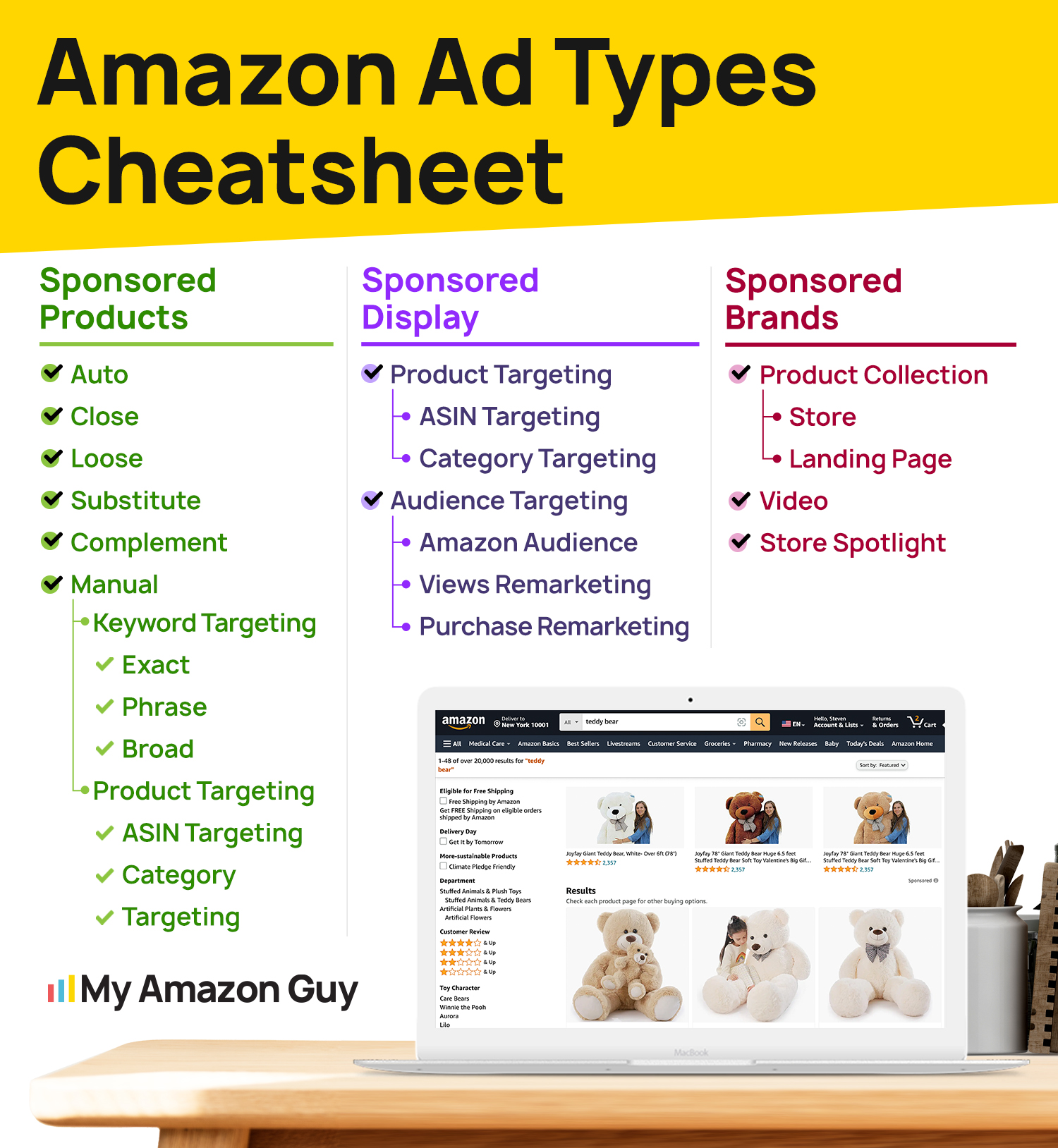
With multiple ad types like Sponsored Products, Sponsored Brands, Sponsored Display, and Video in Search, managing campaigns can get messy fast. Without a clean structure and proper naming conventions, budgets and impressions may not flow efficiently across ASINs.
3. Keyword and Bid Management
Finding the right keywords and managing bids is more than guessing; it requires data analysis and strategic allocation. Poor bid management or overbidding on competitive keywords can drain budgets without delivering profitable results.
4. Maintaining Performance During Fluctuations
Events like inventory changes, seasonality, or unexpected shipping delays can dramatically affect ad performance. Sellers must constantly monitor and adjust campaigns to maintain consistent results.
5. Leveraging New Ad Types Effectively
New features such as custom brand images or video in search offer huge opportunities but require testing and optimization. Sellers who delay or misuse these ad types risk falling behind competitors who adopt them early.
6. Limited Understanding of Data
Advertising generates a lot of performance data, but interpreting it correctly is a challenge for many sellers. Misreading metrics can lead to emotional decisions that hurt ROI instead of improving it.
How to Improve Your Amazon Advertising Campaigns
To tackle the many Amazon advertising challenges sellers face, there are proven strategies that can help improve performance and drive results. These tips focus on structure, targeting, and creative execution to make your ads more efficient and profitable.
1. Keep a Clean Campaign Structure
Organize campaigns so each ad group focuses on a single ASIN with clear naming conventions. This ensures budgets are allocated properly, and performance can be tracked without confusion.
2. Use Auto Campaigns for Keyword Research
Automatic campaigns are a great starting point for discovering high-performing keywords. They provide insights on close match, loose match, complements, and substitutes that can inform manual campaigns.
3. Segment Sponsored Display Targeting
Separate targeting for top-of-funnel brand awareness and product-specific campaigns. This allows you to optimize spending for both visibility and conversion without wasting budget on irrelevant audiences.
4. Test New Ad Types Early
Adopt features like video in search and custom brand images as soon as they are available. Early testing lets you collect data, refine creative, and gain a competitive advantage before others scale these formats.
5. Focus on Long-Tail Keywords
While top keywords are highly competitive, long-tail keywords often have lower CPCs and still drive consistent sales. Investing time in these keywords can improve profitability and uncover untapped opportunities.
6. Monitor Performance Frequently
Track your campaigns closely, especially during inventory changes or seasonal fluctuations. Regular monitoring prevents wasted spend and allows you to make data-driven adjustments without overreacting to temporary shifts.
7. Don’t Make Emotional Bid Adjustments
Adjust bids based on data, not gut feelings or short-term trends. Emotional changes can hurt performance, whereas calculated adjustments maintain long-term profitability.
8. Prioritize High-Performing ASINs
Allocate more budget to top-selling products while testing new SKUs strategically. This ensures stable returns while still expanding your reach and discovering potential winners.

Conquering Amazon Advertising Challenges
There are many challenges that sellers face when managing their ads, which is why having an Amazon advertising strategy that organizes campaigns, targets the right keywords, and leverages new ad types is so important. A smart strategy helps sellers stay competitive, improve visibility, and drive consistent sales.
Need help navigating these Amazon advertising challenges and boosting your sales? Contact our full-service Amazon agency to get expert guidance and hands-on support for your campaigns.
Stop Burning Your Ad Budget
Stop guessing which keywords work and start using data-driven strategies to make every ad dollar count.