
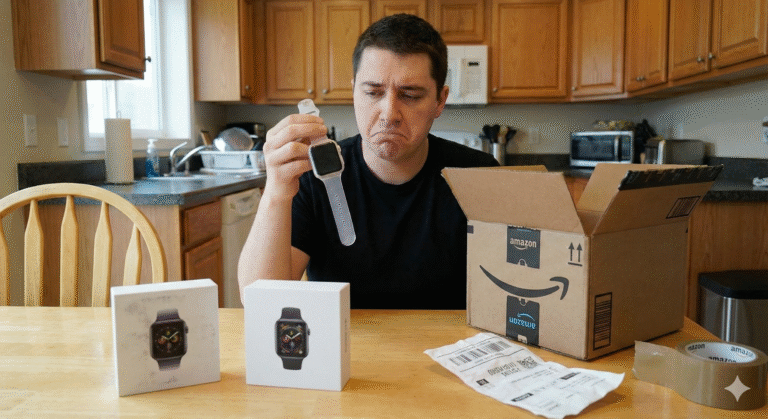
Counterfeits on Amazon Show Why Every Seller Needs a Professional Approach

Counterfeits on Amazon - Featured Image

Over 15 million counterfeit products were removed in 2024 alone, highlighting the growing threat to sellers and brands.

The rise of counterfeits on Amazon has pushed the company to escalate legal actions and enforcement, targeting networks that exploit trademarks and listings. Sellers now operate in a volatile marketplace where imitation products can appear online within days, creating financial and operational risks.

Amazon has expanded specialized teams and deployed advanced detection systems to investigate and halt counterfeit operations. For legitimate sellers, understanding these threats and engaging professional support has become a critical part of maintaining business stability.

Amazon Cracks Down on Large-Scale Trademark Fraud Targeting Sellers

The defendants used illegitimate trademarks to access Brand Registry and submit false infringement claims against legitimate sellers. These actions removed authentic listings, interfered with fair competition, and disrupted the accuracy of fake vs real Amazon products across the marketplace.

Amazon Brand Registry, launched in 2017, continues to serve as a core system for identifying and removing counterfeit listings. The program gives brands access to image-based detection tools and the ability to report violations directly, which helps Amazon take swift action against abuse.

The company’s Counterfeit Crimes Unit (CCU) is expanding efforts to stop fraudulent notice submitters targeting sellers through deceptive tactics. This latest lawsuit follows earlier actions taken in 2023 and 2024, reinforcing Amazon’s long-term strategy of removing bad actors from the platform.

Amazon is also working with major brands to stop counterfeiters before products reach customers. A joint case with L’Oréal USA stopped a group selling fake CeraVe items, which were confirmed through multiple test buys conducted by the brand.

When the counterfeit products were verified, Amazon blocked the associated selling accounts and refunded affected customers. This collaboration highlights how brands enrolled in Brand Registry and Project Zero can enhance marketplace safety alongside Amazon’s anti-counterfeiting programs.

Another investigation on Long Island exposed a counterfeit operation tied to fraudulent Nintendo accessories. Evidence shared between Amazon, Nintendo, and law enforcement led to a raid that seized counterfeit products and resulted in felony arrests.

These actions show why sellers dealing with counterfeits need structured support, and many opt to work with an Amazon agency to improve monitoring, reporting, and brand protection. As counterfeit schemes become more advanced, sellers benefit from having expert systems and enforcement strategies in place.

Key Details at a Glance:

  • Defendants used invalid USPTO trademarks to gain Brand Registry access.
  • False infringement reports were used to remove legitimate product listings.
  • Amazon continues its offensive against abusive notice submitters.
  • Joint lawsuits with brands like L’Oréal shut down counterfeit skincare operations.
  • Test buys, rapid account closures, and customer refunds are part of Amazon’s response.
  • A Long Island investigation uncovered counterfeit Nintendo accessories.

Inside Amazon’s Global Fight Against Counterfeit Networks

In a Modern Retail article by Allison Smith, the Counterfeit Crimes Unit, launched in 2020, was highlighted for its role in protecting your brand from counterfeiters through investigations that go beyond Amazon’s automated detection systems. With third-party sellers driving much of the marketplace, these cases remain a persistent risk for brands of all sizes.

Amazon’s brand-protection programs, Project Zero, Brand Registry, and Transparency, allow rights holders to report counterfeit listings on Amazon and remove infringing content efficiently. The CCU intervenes when cases require legal escalation, criminal referrals, or coordinated enforcement that individual brands often cannot pursue alone.

In 2024, Amazon’s teams identified and disposed of more than 15 million counterfeit products, with annual investments exceeding $1 billion in anti-counterfeiting operations. The CCU has advanced more than 24,000 investigations, addressing challenges often seen in Fake vs real Amazon products disputes.

Amazon’s scale allows investigators to trace counterfeit networks deeper into supply chains than most brands can on their own. When rights holders submit notices of infringement, Amazon quarantines inventory, blocks further sales, and shares evidence with law enforcement to accelerate investigations.

Major actions with brands like Pandora, Canon, Prada, L’Oréal USA, and Nintendo have resulted in lawsuits targeting counterfeit sellers before their goods reach consumers. The CCU also supports small and family-owned businesses that rely on Amazon infringement legal help to protect their trademarks in a crowded marketplace.

Ending the commingling program reflects Amazon’s ongoing efforts to protect brands on Amazon by minimizing the risk of authentic and counterfeit items mixing in fulfillment centers. Artificial intelligence scans billions of listings daily to stop fraudulent activity, though counterfeiters are increasingly using generative AI to produce more convincing fake listings and reviews.

The CCU continues monitoring new fraud patterns and coordinating with law enforcement to strengthen protections for both consumers and legitimate sellers.

Fake Apple Knit Bags Reveal How Quickly Copycats Target Hot Products

By November 19, fake versions of the knit bag were already listed by third-party sellers, some priced just high enough to appear premium while still undercutting the original. These listings mimicked product text, styling, and core selling points, fueling counterfeits, affecting Amazon sellers who rely on authentic presentation to maintain customer trust.

The similarities between real and fake bags made it difficult for shoppers to distinguish them at first glance. This environment forces brands to look for Amazon seller protection solutions as counterfeiters increasingly refine their copy techniques.

Fake listings often used keyword-stuffed titles, altered but recognizable poses, and near-identical product descriptions. These tactics highlight the growing need to protect brands on Amazon, especially when fast-moving trends attract clone manufacturers within hours.

Consumers who bought these fake knit bags often received poorly knitted versions with weak structure and lower-quality materials. The negative experience damages the perception of the original product, further stressing why sellers turn to Amazon counterfeit product removal service providers to maintain product integrity.

The incident shows how counterfeiters target high-demand items quickly, flooding marketplaces before brands can respond. It also demonstrates why sellers must remain proactive, reporting fake listings and monitoring traffic patterns to avoid long-term customer fallout.

Key Details Behind the Rapid Surge of Copycat Listings

  • Fake knit bags appeared within days of the real product selling out.
  • Listing titles were intentionally heavy with search-driving keywords.
  • Product photos and poses tried to mimic Apple’s promotional shots.
  • Multiple price tiers for fakes were used to reach different buyer types.
  • Lower-quality construction led to customer disappointment and confusion.

This wave of copycat listings underscores the ongoing need for brands to track fast-moving trends, flag suspicious listings quickly, and strengthen internal brand-protection workflows. Even small delays give counterfeiters the advantage, making strong internal processes as essential as tools that help sellers report Amazon infringement and stay ahead of rapid clone activity.

Liquidation Listings Reveal How Easily Sellers Get Pulled Into Counterfeit Disputes

According to SellerBites, a seller recently faced a threat from another seller accusing them of listing a fake product sourced from a liquidation auction. Fearing an account strike, the seller removed the item, showing how quickly a single complaint can escalate into operational disruption.

Proving authenticity without manufacturer invoices is nearly impossible in these cases, as Amazon does not consider liquidation paperwork valid. This leaves sellers with almost no defense when their legitimacy is questioned.

Private label listings add another layer of risk, as unauthorized sellers can be flagged for counterfeit activity even when selling genuine goods. Ungated ASINs may mislead sellers into thinking they have approval, but Amazon gating only filters new sellers while accountability remains strict.

Experienced sellers note that Amazon nearly always sides with brand owners, putting liquidation sellers at a disadvantage. Counterfeits affecting Amazon sellers can reduce revenue, shrink margins, and damage brand reputation if customers unknowingly receive low-quality products.

Operational burdens intensify as sellers monitor listings, conduct test buys, and report counterfeit listings on Amazon. Commingled inventory increases risk, since authentic products can mix with counterfeit units, potentially resulting in warnings or suspensions for sellers who never handled the fakes.

To solve these disputes, sellers often seek professional support, including Amazon infringement legal help, to protect accounts and maintain long-term stability. Structured strategies are crucial if you are aiming to protect your brand from counterfeiters and avoid prolonged marketplace disruption.

How Sellers Can Fight Counterfeits on Amazon

Legitimate sellers address counterfeits on Amazon primarily through Amazon Brand Registry, which provides tools for reporting infringements and protecting intellectual property. Partnering with an Amazon agency can also help streamline enforcement and reduce the operational burden, as seen in the MacuHealth Amazon case study.

Key Strategies:

  • Register your brand to access exclusive tools and resources for protection.
  • Use the “Report a Violation” tool to flag infringing listings quickly.
  • Rely on automated systems to detect and remove counterfeit listings on Amazon.
  • Take advantage of priority support from Amazon for registered brands.
  • Monitor prices with tracking software to enforce minimum advertised pricing policies.
  • Regularly check product listings for unauthorized sellers and report them immediately.
  • Report infringements directly through Seller Central if not in Brand Registry.
  • Work with Amazon’s Counterfeit Crimes Unit and law enforcement to stop counterfeit operations.
  • Use Amazon Transparency to track and prevent counterfeit units.
  • Monitor account health metrics to prevent policy violations from affecting your listings.

Structured support and professional guidance, as seen in the Amazon infringement case study, show how coordinated efforts can protect revenue and maintain brand integrity.


Read Time:

Last Updated:

December 1, 2025

4:38 PM EST

Counterfeits on Amazon Show Why Every Seller Needs a Professional Approach

Counterfeits on Amazon - Featured Image

Over 15 million counterfeit products were removed in 2024 alone, highlighting the growing threat to sellers and brands.

The rise of counterfeits on Amazon has pushed the company to escalate legal actions and enforcement, targeting networks that exploit trademarks and listings. Sellers now operate in a volatile marketplace where imitation products can appear online within days, creating financial and operational risks.

Amazon has expanded specialized teams and deployed advanced detection systems to investigate and halt counterfeit operations. For legitimate sellers, understanding these threats and engaging professional support has become a critical part of maintaining business stability.

Amazon Cracks Down on Large-Scale Trademark Fraud Targeting Sellers

The defendants used illegitimate trademarks to access Brand Registry and submit false infringement claims against legitimate sellers. These actions removed authentic listings, interfered with fair competition, and disrupted the accuracy of fake vs real Amazon products across the marketplace.

Amazon Brand Registry, launched in 2017, continues to serve as a core system for identifying and removing counterfeit listings. The program gives brands access to image-based detection tools and the ability to report violations directly, which helps Amazon take swift action against abuse.

The company’s Counterfeit Crimes Unit (CCU) is expanding efforts to stop fraudulent notice submitters targeting sellers through deceptive tactics. This latest lawsuit follows earlier actions taken in 2023 and 2024, reinforcing Amazon’s long-term strategy of removing bad actors from the platform.

Amazon is also working with major brands to stop counterfeiters before products reach customers. A joint case with L’Oréal USA stopped a group selling fake CeraVe items, which were confirmed through multiple test buys conducted by the brand.

When the counterfeit products were verified, Amazon blocked the associated selling accounts and refunded affected customers. This collaboration highlights how brands enrolled in Brand Registry and Project Zero can enhance marketplace safety alongside Amazon’s anti-counterfeiting programs.

Another investigation on Long Island exposed a counterfeit operation tied to fraudulent Nintendo accessories. Evidence shared between Amazon, Nintendo, and law enforcement led to a raid that seized counterfeit products and resulted in felony arrests.

These actions show why sellers dealing with counterfeits need structured support, and many opt to work with an Amazon agency to improve monitoring, reporting, and brand protection. As counterfeit schemes become more advanced, sellers benefit from having expert systems and enforcement strategies in place.

Key Details at a Glance:

  • Defendants used invalid USPTO trademarks to gain Brand Registry access.
  • False infringement reports were used to remove legitimate product listings.
  • Amazon continues its offensive against abusive notice submitters.
  • Joint lawsuits with brands like L’Oréal shut down counterfeit skincare operations.
  • Test buys, rapid account closures, and customer refunds are part of Amazon’s response.
  • A Long Island investigation uncovered counterfeit Nintendo accessories.

Inside Amazon’s Global Fight Against Counterfeit Networks

In a Modern Retail article by Allison Smith, the Counterfeit Crimes Unit, launched in 2020, was highlighted for its role in protecting your brand from counterfeiters through investigations that go beyond Amazon’s automated detection systems. With third-party sellers driving much of the marketplace, these cases remain a persistent risk for brands of all sizes.

Amazon’s brand-protection programs, Project Zero, Brand Registry, and Transparency, allow rights holders to report counterfeit listings on Amazon and remove infringing content efficiently. The CCU intervenes when cases require legal escalation, criminal referrals, or coordinated enforcement that individual brands often cannot pursue alone.

In 2024, Amazon’s teams identified and disposed of more than 15 million counterfeit products, with annual investments exceeding $1 billion in anti-counterfeiting operations. The CCU has advanced more than 24,000 investigations, addressing challenges often seen in Fake vs real Amazon products disputes.

Amazon’s scale allows investigators to trace counterfeit networks deeper into supply chains than most brands can on their own. When rights holders submit notices of infringement, Amazon quarantines inventory, blocks further sales, and shares evidence with law enforcement to accelerate investigations.

Major actions with brands like Pandora, Canon, Prada, L’Oréal USA, and Nintendo have resulted in lawsuits targeting counterfeit sellers before their goods reach consumers. The CCU also supports small and family-owned businesses that rely on Amazon infringement legal help to protect their trademarks in a crowded marketplace.

Ending the commingling program reflects Amazon’s ongoing efforts to protect brands on Amazon by minimizing the risk of authentic and counterfeit items mixing in fulfillment centers. Artificial intelligence scans billions of listings daily to stop fraudulent activity, though counterfeiters are increasingly using generative AI to produce more convincing fake listings and reviews.

The CCU continues monitoring new fraud patterns and coordinating with law enforcement to strengthen protections for both consumers and legitimate sellers.

Fake Apple Knit Bags Reveal How Quickly Copycats Target Hot Products

By November 19, fake versions of the knit bag were already listed by third-party sellers, some priced just high enough to appear premium while still undercutting the original. These listings mimicked product text, styling, and core selling points, fueling counterfeits, affecting Amazon sellers who rely on authentic presentation to maintain customer trust.

The similarities between real and fake bags made it difficult for shoppers to distinguish them at first glance. This environment forces brands to look for Amazon seller protection solutions as counterfeiters increasingly refine their copy techniques.

Fake listings often used keyword-stuffed titles, altered but recognizable poses, and near-identical product descriptions. These tactics highlight the growing need to protect brands on Amazon, especially when fast-moving trends attract clone manufacturers within hours.

Consumers who bought these fake knit bags often received poorly knitted versions with weak structure and lower-quality materials. The negative experience damages the perception of the original product, further stressing why sellers turn to Amazon counterfeit product removal service providers to maintain product integrity.

The incident shows how counterfeiters target high-demand items quickly, flooding marketplaces before brands can respond. It also demonstrates why sellers must remain proactive, reporting fake listings and monitoring traffic patterns to avoid long-term customer fallout.

Key Details Behind the Rapid Surge of Copycat Listings

  • Fake knit bags appeared within days of the real product selling out.
  • Listing titles were intentionally heavy with search-driving keywords.
  • Product photos and poses tried to mimic Apple’s promotional shots.
  • Multiple price tiers for fakes were used to reach different buyer types.
  • Lower-quality construction led to customer disappointment and confusion.

This wave of copycat listings underscores the ongoing need for brands to track fast-moving trends, flag suspicious listings quickly, and strengthen internal brand-protection workflows. Even small delays give counterfeiters the advantage, making strong internal processes as essential as tools that help sellers report Amazon infringement and stay ahead of rapid clone activity.

Liquidation Listings Reveal How Easily Sellers Get Pulled Into Counterfeit Disputes

According to SellerBites, a seller recently faced a threat from another seller accusing them of listing a fake product sourced from a liquidation auction. Fearing an account strike, the seller removed the item, showing how quickly a single complaint can escalate into operational disruption.

Proving authenticity without manufacturer invoices is nearly impossible in these cases, as Amazon does not consider liquidation paperwork valid. This leaves sellers with almost no defense when their legitimacy is questioned.

Private label listings add another layer of risk, as unauthorized sellers can be flagged for counterfeit activity even when selling genuine goods. Ungated ASINs may mislead sellers into thinking they have approval, but Amazon gating only filters new sellers while accountability remains strict.

Experienced sellers note that Amazon nearly always sides with brand owners, putting liquidation sellers at a disadvantage. Counterfeits affecting Amazon sellers can reduce revenue, shrink margins, and damage brand reputation if customers unknowingly receive low-quality products.

Operational burdens intensify as sellers monitor listings, conduct test buys, and report counterfeit listings on Amazon. Commingled inventory increases risk, since authentic products can mix with counterfeit units, potentially resulting in warnings or suspensions for sellers who never handled the fakes.

To solve these disputes, sellers often seek professional support, including Amazon infringement legal help, to protect accounts and maintain long-term stability. Structured strategies are crucial if you are aiming to protect your brand from counterfeiters and avoid prolonged marketplace disruption.

How Sellers Can Fight Counterfeits on Amazon

Legitimate sellers address counterfeits on Amazon primarily through Amazon Brand Registry, which provides tools for reporting infringements and protecting intellectual property. Partnering with an Amazon agency can also help streamline enforcement and reduce the operational burden, as seen in the MacuHealth Amazon case study.

Key Strategies:

  • Register your brand to access exclusive tools and resources for protection.
  • Use the “Report a Violation” tool to flag infringing listings quickly.
  • Rely on automated systems to detect and remove counterfeit listings on Amazon.
  • Take advantage of priority support from Amazon for registered brands.
  • Monitor prices with tracking software to enforce minimum advertised pricing policies.
  • Regularly check product listings for unauthorized sellers and report them immediately.
  • Report infringements directly through Seller Central if not in Brand Registry.
  • Work with Amazon’s Counterfeit Crimes Unit and law enforcement to stop counterfeit operations.
  • Use Amazon Transparency to track and prevent counterfeit units.
  • Monitor account health metrics to prevent policy violations from affecting your listings.

Structured support and professional guidance, as seen in the Amazon infringement case study, show how coordinated efforts can protect revenue and maintain brand integrity.

Share this article:

Francisco Valadez Director of Advertising

Francisco Valadez

Hi I’m Francisco, VP of Brand Management Operations at My Amazon Guy, leading a global team of 500+ Amazon experts. We help clients in new business development, strategic negotiations, and Amazon Seller Central optimization, helping you grow your sales and overcome the challenges of selling on Amazon.

0
    0
    Your Cart
    Your cart is emptyReturn to Shop

    Reach us at +1 470-623-1951 Monday to Friday, from 8:00am to 5:00pm EST.