Millions of shoppers are being targeted this holiday season as impersonation scams, fake seller listings, and ‘brushing’ schemes surge, with victims losing tens of millions to fraudulent activity.
Amazon holiday scams have hit a dangerous new high, and the timing couldn’t be worse. Black Friday triggered a massive wave of phishing attempts pretending to be real Amazon notifications, and analysts say the threat window will stay elevated through Cyber Monday.
Reports state that there is a 620% rise in attacks this month, noting that Amazon is the top target, accounting for 80% of brand-related phishing. With another surge projected within hours, shoppers need to be watching their inbox and their account activity closely.
Why Impersonation Scams Are Rising and What Sellers Need to Watch For
USA TODAY“Amazon confirmed it began sending notices in early November to U.S. shoppers and expanded the effort to the United Kingdom, stressing that these alerts are not warnings but part of a broader push to help users avoid common Amazon scams.”
Amazon holiday scams are increasing as the company sends educational messages to U.S. and U.K. customers, emphasizing that these alerts are meant to help users avoid common Amazon scams rather than serve as warnings. The notices highlight the growing threat of phishing attacks on Amazon, which target millions of accounts with fraudulent messages disguised as legitimate communications.
Scammers exploit Amazon’s massive user base of over 310 million accounts to target shoppers at scale. Federal reports show that one in three people contacted by a scammer believed the individual was an Amazon representative, and thousands of victims have lost tens of millions due to pressure tactics and false urgency.
Impersonation scams reach users through calls, texts, emails, and social media, aiming to obtain personal information, payments, or device access under the guise of resolving a problem. Common red flags include:
- Messages that create false urgency
- Requests for personal or financial information
- Attempts to move transactions outside of Amazon
- Payment via gift cards
- Alerts about unexpected orders
Amazon provides reporting pathways for suspicious communications, including account misuse, shared banking information, or unsolicited packages. Even those without Amazon accounts can submit suspicious messages via email, and additional reporting is available through federal channels and online guidance.
The surge in Amazon holiday scams reinforces the need for sellers to maintain a professional approach when counterfeit products or fraudulent activity affects their operations. Staying aware of how these schemes operate is critical for protecting both accounts and customers during peak shopping periods.
Holiday Surge in Sophisticated Impersonation Threats
Based on a Forbes article by Zak Doffman, phishing attacks surged by 620% in November, with Amazon being the most impersonated brand. These attacks drove the majority of holiday-related phishing attempts, putting millions of shoppers at increased risk through Cyber Monday.
AI-powered phishing messages now mimic legitimate notifications with polished designs and realistic prompts, making traditional red-flag checks obsolete. The most common tactic involves urgent account alerts that push users to click links tied to fake sign-in pages.
Holiday shopping has become a prime hunting ground for attackers who exploit shoppers’ excitement over orders and tracking updates. Guardio’s data shows hundreds of millions lost to online shopping scams, with attacks expected to reach new highs this season.
Amazon has been sending educational messages to U.S. and U.K. customers, explaining how to avoid Amazon holiday fraud and distinguish legitimate emails from impersonation attempts. Millions of users have adopted passkeys, improving account protection against credential theft during peak shopping periods.
Consumers are urged to watch for red flags, including messages claiming account suspension, unexpected shipping alerts, requests for personal or financial information, unfamiliar URLs, or unusually generous refund offers. Attackers rely on thousands of look-alike domains to capture login credentials or personal details for unauthorized purchases.
Growing Concerns Over Fake Seller Scams on Major Marketplaces
According to PCMag, fake seller storefronts pop up across major marketplaces, targeting shoppers rushing to snag limited-time deals. Criminals list high-demand items at unusually low prices, often boosted by retail algorithms that favor cheaper products.
Scammers generate fake positive reviews to make their listings appear trustworthy and sometimes provide bogus tracking numbers before disappearing. By the time buyers realize the item is missing, counterfeit, or defective, the listing is gone, and the scammer has moved on.
This season’s most widespread threat is the fake seller scam, which also appears on eBay, Facebook Marketplace, Mercari, Depop, and Poshmark. The gap between purchase and delivery allows criminals to manipulate reviews, gain sales, and avoid detection.
Shoppers are advised to adopt a cautious mindset: “If it seems too good to be true, it probably is”. Use this principle when evaluating low-priced items on third-party platforms and verify seller information carefully.
Key questions to ask before purchasing include:
- Is the price far below competitors?
- Is the listing unusually short-lived or time-limited?
- Does the brand information match the product title?
- Does the seller profile look credible and complete?
- Are the reviews genuine, varied, and relevant to the product?
Experts note that Amazon account security during holidays is critical due to heightened scam activity. Consumers can protect themselves from online shopping scams by researching sellers, avoiding unknown storefronts, and resisting offers that appear unusually generous.
Slowing down, examining listings, and confirming seller legitimacy sharply reduce the risk of falling victim to fake seller scams. Vigilance remains the strongest defense, but partnering with a trusted Amazon agency ensures sellers have expert guidance in handling scams, counterfeit products, and other holiday threats as fraudulent listings grow more sophisticated each year.
Brushing Scams Spread as Unsolicited Packages Raise Security Concerns
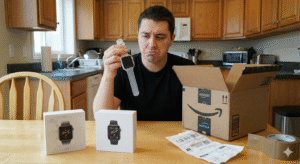
Boxes of unordered merchandise from Amazon or other online sellers are showing up at consumers’ doorsteps, creating a new type of risk during the holiday season. The Better Business Bureau reports shipments are used to fabricate verified purchases and inflate product ratings, benefiting the scammers.
Recipients often find no return address, or a label that appears to come from Amazon or another retailer, while the items inside can vary widely. Third-party sellers use publicly available personal information to send these packages and later post fake positive reviews to increase sales.
A recent BBB Scam Tracker report described an Ohio consumer who received a bracelet with a note card and tracking information showing it originated from a different state. QR codes on the package were not scanned due to fears they could be used to collect personal information.
These incidents indicate that scammers may already have sensitive data such as names, addresses, or phone numbers. That information can then be exploited in multiple fraudulent schemes, including inflating sales numbers for low-quality products.
Consumers are advised to first confirm whether the package is a gift from a family member or friend. If the package appears to come from Amazon, contacting Amazon Customer Service allows the platform to investigate and stop fake Amazon listings.
Checking your account for recent orders helps ensure no unauthorized purchases were made. Those receiving multiple unsolicited packages may consider refusing delivery or temporarily using a package acceptance service for legitimate shipments.
Updating account passwords is recommended if personal information may have been compromised. Monitoring credit reports and statements can help detect misuse early, and consumers are encouraged to secure their Amazon accounts now to reduce further risk.
BBB also advises protecting your identity by entering personal information only on secure sites and reporting suspicious activity. Questions about unordered shipments or holiday-related fraud can be directed to local BBB offices, BBB.org, or submitted via BBB Scam Tracker to help authorities monitor emerging trends.
Beware a Package Delivery Scam Over the Holidays by BBB"Free packages arriving at consumers’ doorsteps can indicate personal information has been compromised."