

Still unsure whether to choose an Amazon reimbursement service or an Amazon reimbursement software? It can feel confusing at first, but the right choice can mean recovering money you didn’t even realize Amazon owed you.
When selling on Amazon, inventory gets lost, damaged, miscounted, or refunded without proper credit more often than sellers expect. Without knowing how reimbursements work, these errors quietly eat into profit and go unnoticed for months.
To avoid missing these recoveries, sellers usually turn to Amazon reimbursement tools or hire an Amazon reimbursement service provider to handle the work for them. The problem is figuring out which option actually fits your business, workload, and growth stage.
In this guide, we break down how reimbursement software and service providers work, where each one shines, and where they fall short. We’ll also help you decide which approach makes sense so you can stop leaking profit and start tightening your operation.
Table of Contents
Recover More Without Adding More Work
Our full-service Amazon agency finds missed reimbursements and manages claims the right way.
What Is an Amazon Reimbursement Software?
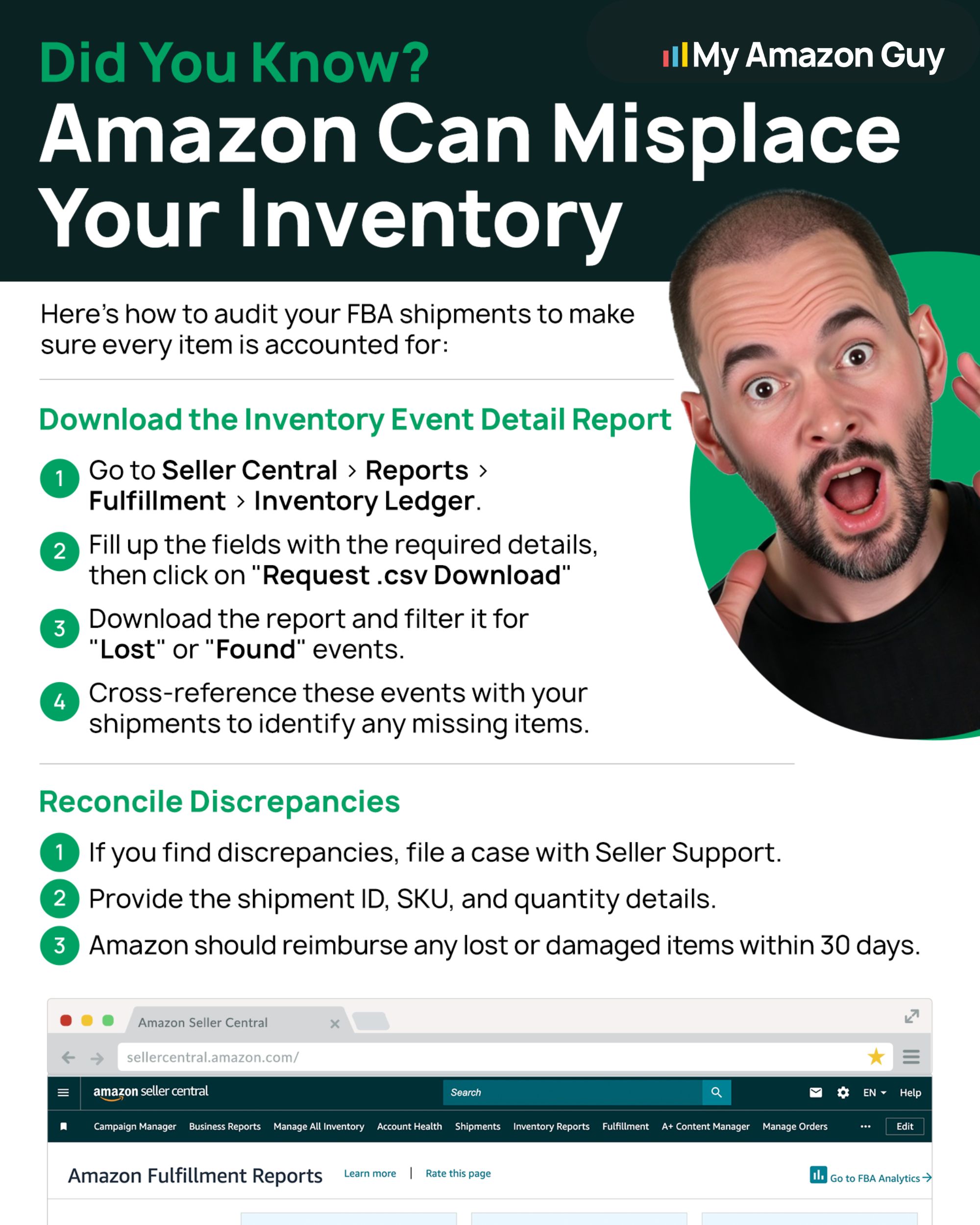
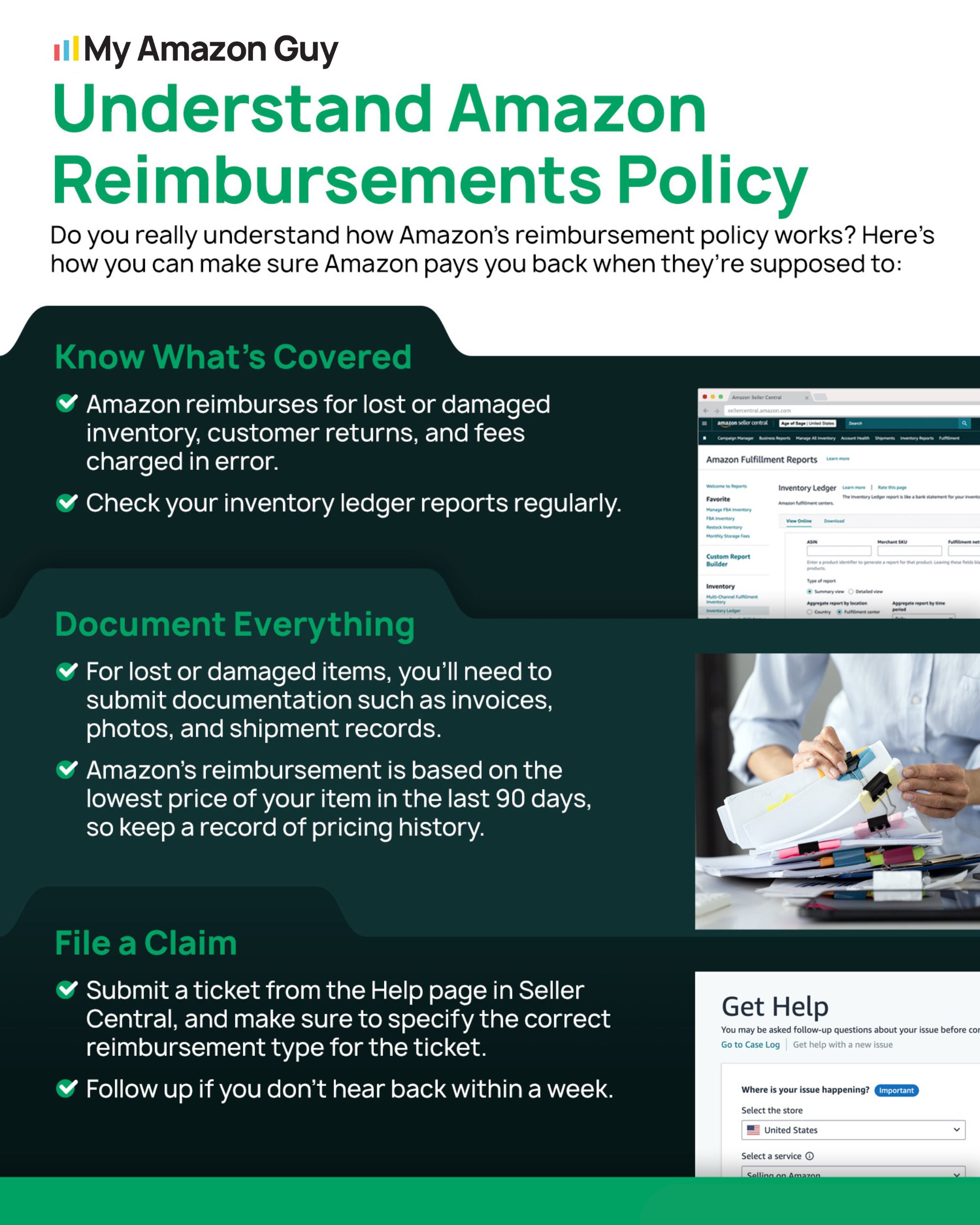
An Amazon reimbursement software, often called an Amazon reimbursement tool, is a tool that scans your Seller Central data to flag cases where Amazon likely owes you money. This usually includes lost inventory, damaged units, miscounted inbound shipments, or refunds where the item was never returned.
This option works well for sellers who still want to stay hands-on but need help cutting down the busy work. The reality is that roughly 99% of Amazon sellers are owed money at some point, yet not every seller actually gets paid because these issues are easy to miss or incorrectly filed when handled manually.
What Is an Amazon Reimbursement Service Provider
An Amazon reimbursement service provider is a team of experts who handle FBA reimbursement issues on your behalf. They review your transactions, identify potential errors like damaged inventory or incorrect fees, and submit claims to Amazon, saving you time and effort.
This option is ideal for sellers who don’t have the time or expertise to navigate the reimbursement process themselves. While it can be more expensive than software, a professional team often uncovers more money through deeper audits and handles the entire process, giving sellers peace of mind.
Amazon Reimbursement Software vs Service Providers: Key Differences
Choosing between an Amazon reimbursement tool and a service provider can be tricky since both have their own advantages and drawbacks. By understanding the key differences in cost, effort, and potential payout, sellers can make smarter decisions and better determine which option fits their business needs.
| Key Difference | Software | Service Provider |
|---|---|---|
|
Pricing |
Fixed monthly fee, sometimes trial |
% of recovered funds, can be costly |
|
Involvement |
Seller handles claims |
The service provider does most of the work |
|
Recovery Depth |
Good for simple errors |
Humans find more complex reimbursements |
|
Discovery Speed |
Real-time via API |
Slower, batch updates |
|
Control |
Full control |
Mostly handled by the provider |
|
Risk |
Seller bears risk |
Provider reduces compliance risk |
|
Account Access |
API token, limited access |
Secondary user, broad access |
|
Reimbursement Speed |
Fast for simple claims |
Faster for complex/appealed claims |
1. Pricing Model
Using an Amazon reimbursement tool usually involves a fixed monthly subscription fee, with some software offering free trial periods so sellers can test the features before committing. This makes it a low-risk option for sellers who want to handle claims themselves without breaking the budget.
Service providers often operate on a performance-based model, taking a percentage of whatever funds they recover for you. While some offer free consultations, most charge a 15%–25% commission on recovered funds, which can be higher than software costs but comes with the convenience of fully outsourced expertise.
2. Level of Involvement
An Amazon reimbursement software requires much more seller involvement because you’re the one reviewing reports, opening cases, and following up inside Seller Central. This means investing consistent time and attention, which is why having internal processes and discipline is a must for this option to work well.
When hiring an Amazon reimbursement service provider, most of the workload is handled by the team you bring on. While sellers should still monitor performance and results, the day-to-day audits, claim filings, and back-and-forth with Amazon are largely taken off your plate.
3. Depth of Recovery
When you rely on an Amazon reimbursement tool, you’re trusting the software’s prebuilt rules to identify eligible claims. This works well for clear-cut errors, but gray areas that need human judgment often require sellers to manually review data and decide whether a claim is worth filing.
Amazon reimbursement service providers bring human auditors into the process, which allows for deeper analysis and smarter decision-making. Because real people review patterns and edge cases, they can uncover more complex reimbursement opportunities and recover money that software alone might miss.
4. Speed of Discovery
With an Amazon reimbursement software, sellers get immediate visibility into potential claims. The software scans your reports around the clock, so any lost or damaged inventory appears instantly on your dashboard without waiting for human review.
Service providers typically have a discovery lag because a human auditor reviews data before presenting it. While this ensures accuracy, you rely on batch updates or weekly status reports, which can delay when you see potential recoveries.
Amazon Owes You More Than You Think
Hidden reimbursement errors pile up fast when no one audits your account consistently.
5. Level of Control
With an Amazon reimbursement tool, sellers keep full control over the entire process from start to finish. This is ideal for sellers who want to stay closely involved, decide which claims get filed, and adjust their approach based on risk tolerance or account health.
When working with an Amazon reimbursement service provider, much of that control is handed off to the team doing the work for you. While this reduces effort, it also means sellers who prefer managing every detail themselves may feel uncomfortable letting someone else handle claim timing, documentation, and communication with Amazon.
6. Risk and Compliance Considerations
Using an Amazon reimbursement software puts most of the risk on the seller, especially when claims are filed too aggressively or with templated responses that Amazon may flag. Without careful oversight, this can lead to account warnings or unnecessary scrutiny that sellers didn’t intend to trigger.
Amazon reimbursement service providers help reduce this risk by following proven processes that stay within Amazon’s policies. Experienced teams understand how to pace claims, word submissions correctly, and protect account health while still recovering funds owed to the seller.
7. Account Access
When sellers choose to use an Amazon reimbursement software, they don’t need to give anyone full login access to their Seller Central account. The software connects via a secure API token, allowing it to pull only the data it needs while keeping the rest of your account private.
On the other hand, hiring a service provider usually requires adding them as a Secondary User with broad permissions. This gives the provider more visibility into your account, which can be convenient for managing claims but comes with added responsibility for monitoring account security.
8. Speed of Reimbursement
For simple cases like lost or damaged units, using a reimbursement tool can be faster since you can file the claim yourself and often see approval within a couple of days. This makes it ideal for straightforward recoveries that don’t require human intervention.
For more complex cases, a service provider usually gets results faster. If Amazon initially denies a claim, a provider can immediately appeal and turn it into an approved reimbursement, whereas software alone can’t handle appeals, leaving some money unrecovered.
Choosing Between Software or a Service Provider: Which Is Better For You?
Even after learning the key differences between an Amazon reimbursement software and an Amazon reimbursement service provider, it can still be tricky to know which one fits your business. By taking the quick quiz below, sellers can better determine whether managing claims themselves or hiring a team makes the most sense.
Frequently Asked Questions
Is it required to use an Amazon reimbursement software or service provider?
No, it’s not required by Amazon. But using a tool or service helps ensure you actually recover those funds instead of leaving them on the table.
Can I switch between an Amazon reimbursement software and a service provider later?
Absolutely. Many sellers start with software to stay hands-on and then hire a service provider as their business grows or claims become more complex.
How much money can I recover using an Amazon reimbursement software vs a service provider?
Software works well for straightforward claims, often recovering a decent portion of lost funds. Service providers typically find more money through deeper audits and handling complex or disputed cases.
Choosing the Right Amazon Reimbursement Solution
Deciding between an Amazon reimbursement software and a service provider comes down to your time, budget, and comfort level with handling claims yourself. Software works well for sellers who want hands-on control and automation for simple cases, while service providers are ideal for complex claims and full outsourcing.
Both options have pros and cons: software is cost-effective and gives full control, but requires involvement, whereas service providers save time, reduce risk, and often uncover more reimbursements, though at a higher cost. Understanding your business needs and workload is key to picking the right approach that maximizes recoveries and protects your account.
Not sure which route is best for your Amazon business? Contact our full-service Amazon agency and let our experts handle your reimbursements, maximize recoveries, and free you to focus on growing your brand.
Stop Leaving Amazon Money Unclaimed
Lost inventory and missed reimbursements add up fast when no one is watching the details.