Last Updated: December 12, 2025
Summary: To sell food on Amazon in 2025, sellers must meet strict requirements for packaging, labeling, shelf life, and temperature control. Approval involves submitting business info, sourcing compliant suppliers, and choosing the right fulfillment method. Success depends on optimized listings, competitive pricing, and customer trust through certifications and reviews.
Are you planning to sell food on Amazon? Many sellers are entering this market as more consumers buy groceries online instead of shopping at local stores.
Amazon provides access to a wider variety of products, including specialty items that may not be available in certain areas. This opportunity has motivated vendors to sell food on Amazon to reach new customers nationwide.
Selling food on Amazon isn’t as simple as listing a product. You need careful planning to meet Amazon’s rules, handle logistics, and maintain quality and freshness.
In this guide, we’ll cover everything you need to know to sell food on Amazon, including packaging, labeling, shelf life, and temperature requirements. We’ll also walk you through the approval process, supplier requirements, and tips to optimize your listings for success.
Table of Contents
Boost Your Amazon Food Sales
Learn how optimized listings, pricing strategies, and enhanced content can grow your food business.
How to Sell Food on Amazon
If you want to sell food products online, Amazon is one of the best places to start because it’s one of the top brands in the world. Selling food is different from other products since keeping items fresh and following strict safety rules is essential.
To succeed on Amazon, you must understand the platform’s requirements and processes. This includes complying with food safety standards, choosing the right fulfillment method, and creating optimized listings to stand out from competitors.
Important Things to Know Before Selling Food on Amazon
Before selling food on Amazon, you must follow specific rules to ensure your products are safe, high-quality, and properly labeled. These requirements also help you stay compliant with federal and state food regulations.
Seller Requirements for Selling Food on Amazon
If you want to start or maintain selling food on Amazon, you must meet certain performance metrics:
- Order Defect Rate (ODR)
This must remain below 1%. The ODR includes negative feedback, A-to-Z claims, and chargebacks, all of which directly affect your account’s health.
- Pre-fulfillment Cancel Rate
This must stay under 2.5%. Canceling an order before it ships can negatively impact the buyer’s experience.
- Late Shipment Rate
This must remain under 4%. Timely delivery is crucial for food products, especially perishables, so it’s vital to ensure your fulfillment processes are efficient and reliable.
Failing to meet these performance targets can lead to account suspensions or even the removal of your selling privileges.
Product Requirements for Selling Food on Amazon
To sell food on Amazon, you must comply with several key product requirements designed to ensure quality and safety:
- Packaging and Labeling:
Food must be properly sealed, packaged, labeled in English, and include mandatory expiration dates to comply with FDA and USDA regulations. All items must be sold as new, with used or expired products strictly prohibited.
- Shelf Life and Expiration:
All products must have sufficient shelf life remaining. Items sold or stored through Amazon Fulfillment Centers require accurate expiration date information to prevent expired goods from being shipped to customers.
- Temperature Control for Perishables:
For refrigerated or frozen items, ensure that packaging maintains the correct temperature during shipping. Temperature-sensitive foods like meat, dairy, or frozen products must adhere to specific temperature ranges (e.g., frozen foods below 10°F).
| Food Type | Conforming Temperature |
|---|---|
|
Refrigerated meat |
28-41°F |
|
Refrigerated poultry |
28-41°F |
|
Refrigerated fish and crustacea (crab, shrimp, lobster) |
32-41°F |
|
Refrigerated processed dairy products or liquid eggs |
32-41°F |
|
Refrigerated processed foods |
32-41°F |
|
All refrigerated cut fruits, vegetables, and ready-to-eat fruits and vegetables |
32-41°F |
|
Refrigerated shellfish (clams, mussels, scallops, oysters) |
32-45°F |
|
Refrigerated shell eggs or fluid milk |
32-45°F |
|
Frozen foods |
< 10°F |
|
Whole, uncut, not ready-to-eat produce |
32-65°F |
|
Bananas |
56-64°F |
- Compliance
Sellers must hold the necessary food safety licenses and meet all federal and state laws. Compliance extends to proper labeling, handling of allergens, and meeting Amazon’s Restricted Products policy for any prohibited items.
Product Listing Requirements for Selling Food on Amazon
When selling food products on Amazon, it’s important to follow Amazon’s listing standards for the Grocery & Gourmet Foods category. Here are the key requirements:
- Follow the Grocery Style Guide
Ensure your product titles, descriptions, and bullet points align with Amazon’s Grocery Style Guide for clear and compliant listings.
- Display Dietary and Allergen-Free Claims Accurately
Any claims like “Organic”, “Kosher”, or “Gluten-Free” must be shown on the product label and backed by regulatory approvals. These claims must be clearly visible in the listing.
- Provide Accurate Price Per Unit (PPU) Data
All new listings must include PPU details to help customers compare products. Ensure your PPU is calculated correctly per Amazon’s guidelines.
- Multi-Packs and Variety Packs
For multi-packs, list the earliest expiration date on the outer packaging. If creating variety packs, use “Custom Variety Pack” as the brand name when the pack contains items from different brands and clearly lists all the contents.
- Seller-Created Bundles and Restricted Products
Ensure seller-created bundles meet Amazon’s Bundling Policy, and check the Restricted Products list for prohibited items, such as certain plant-based products.
Steps to Get Approved to Sell Food on Amazon
Selling food on Amazon is an exciting opportunity, but you’ll need to follow specific steps to get approved and ensure compliance with the platform’s strict guidelines. Whether you plan on selling frozen food, gourmet snacks, or shelf-stable groceries, these steps will help you pass the approval process.
Step 1: Research Amazon's Requirements
Amazon has different rules depending on the type of food you want to sell. For example, frozen foods require stricter temperature control than packaged dry goods.
Before taking any other steps, familiarize yourself with all of Amazon’s requirements. You should also review FDA and USDA guidelines to ensure full compliance.
Step 2: Prepare Your Business Information
To sell on Amazon, you’ll need to set up an Amazon Seller Central account. This account will require specific business information, including:
- A bank account and routing number for receiving payments.
- A credit card for international charges.
- Government-issued ID for verification.
- Business tax information to ensure compliance with tax regulations.
Ensuring your business information is accurate will help speed up the approval process and prevent unnecessary delays.
Step 3: Source Reliable Suppliers
Your supplier choice can make or break your Amazon food business. Choose reliable suppliers that provide high-quality ingredients or prepackaged food to maintain freshness and meet Amazon’s food safety standards.
When sourcing products, make sure they comply with packaging and quality requirements. This is especially important for temperature-sensitive items like frozen or refrigerated foods.
Step 4: Choose Your Fulfillment Option
One of the most important decisions you’ll make is selecting your fulfillment method. Amazon offers two primary options:
- Fulfillment by Amazon (FBA)
Amazon stores, packs, and ships your products. Amazon FBA is ideal if you want access to Amazon Prime customers and want Amazon to handle logistics. - Fulfillment by Merchant (FBM)
You handle the storage, packing, and shipping yourself. FBM is a good option for businesses with established fulfillment systems or those selling products with specific handling requirements.
For food sellers, especially those dealing with perishable goods, selecting the right fulfillment method is crucial. FBA may offer faster shipping and Amazon’s renowned customer service, but you need to ensure that your food products remain fresh and meet Amazon’s packaging and shelf life requirements.
Step 5: Manage Storage and Inventory
Since food products are perishable, inventory management is critical. You must store your food in a way that maintains its freshness and prevents spoilage before it reaches the customer’s doorstep.
Using FBA gives you access to Amazon fulfillment centers, but you must provide products with sufficient shelf life and regularly update expiration details to avoid potential issues.
Step 6: Submit Your Request for Approval
Once you’ve gathered all the necessary documentation and met Amazon’s performance requirements, go to Seller Central and submit your request for approval to sell in the Grocery & Gourmet Food category. Make sure to provide:
- Product details (including UPCs, expiration dates, and packaging information).
- Proof of compliance with food safety regulations.
- Packaging details, especially for temperature-sensitive products, to show that they can be stored and shipped properly.
Step 7: Start Listing and Marketing Your Products
After approval, you can begin listing your products on Amazon. Make sure to follow Amazon’s Grocery Style Guide to ensure your listings are accurate and optimized.
Once your products are listed, it’s crucial to market them effectively to move inventory quickly. This can be done through:
- Amazon advertising campaigns that target customers looking for your products.
- Using Amazon Prime benefits to reach a wider audience.
- Encouraging positive reviews from customers to increase trust and credibility.
The Pros and Cons of Selling Food on Amazon
Selling food on Amazon can be a great way to reach a vast audience and expand your business. However, like any platform, there are advantages and challenges.
Pros of Selling Food on Amazon
- Access to millions of shoppers, including those seeking groceries.
- Opportunity to sell specialty or niche foods not available locally.
- Customers trust Amazon for reliable service, reviews, and easy returns.
- Ability to cross-promote with other products, like bundles or gift sets.
- Robust marketing tools like Sponsored Products, SEO, and customer reviews.
Cons of Selling Food on Amazon
- Improper packaging can lead to damaged products and losses.
- High shipping costs for frozen or refrigerated items reduce profit margins.
- Intense competition makes it hard for smaller sellers to stay visible.
- Strict food safety, labeling, and packaging rules are time-consuming and costly.
- Rising Amazon PPC costs and listing hijackers create extra challenges for growth.
Master Amazon PPC for Food Products
Target the right customers with PPC campaigns and smart marketing strategies.
7 Proven Tips for Selling Food on Amazon
Even though there are many challenges involved in selling food on Amazon, there are strategies that can help you overcome these hurdles and make your business more successful. With the right approach, you can handle the complexities of selling food on Amazon and grow your business.
1. Create Detailed and Accurate Product Descriptions
Your product description should highlight key details that matter to buyers, including ingredients, nutritional facts, and dietary considerations. Clearly list allergens and provide accurate sizing so customers know exactly what to expect.
Include unique packaging features that maintain freshness and make storage easier. This information helps health-conscious shoppers make informed choices and builds trust in your brand.
2. Use High-Quality Product Images
High-quality listing images are essential for selling food products online since customers cannot physically inspect the items. Consider the following:
- Show the product clearly on a plain white background.
- Include multiple angles and close-ups of unique features.
- Show nutritional information and ingredients.
- Add images of the product in use or a serving suggestion.
3. Optimize for Keywords Specific to Food Products
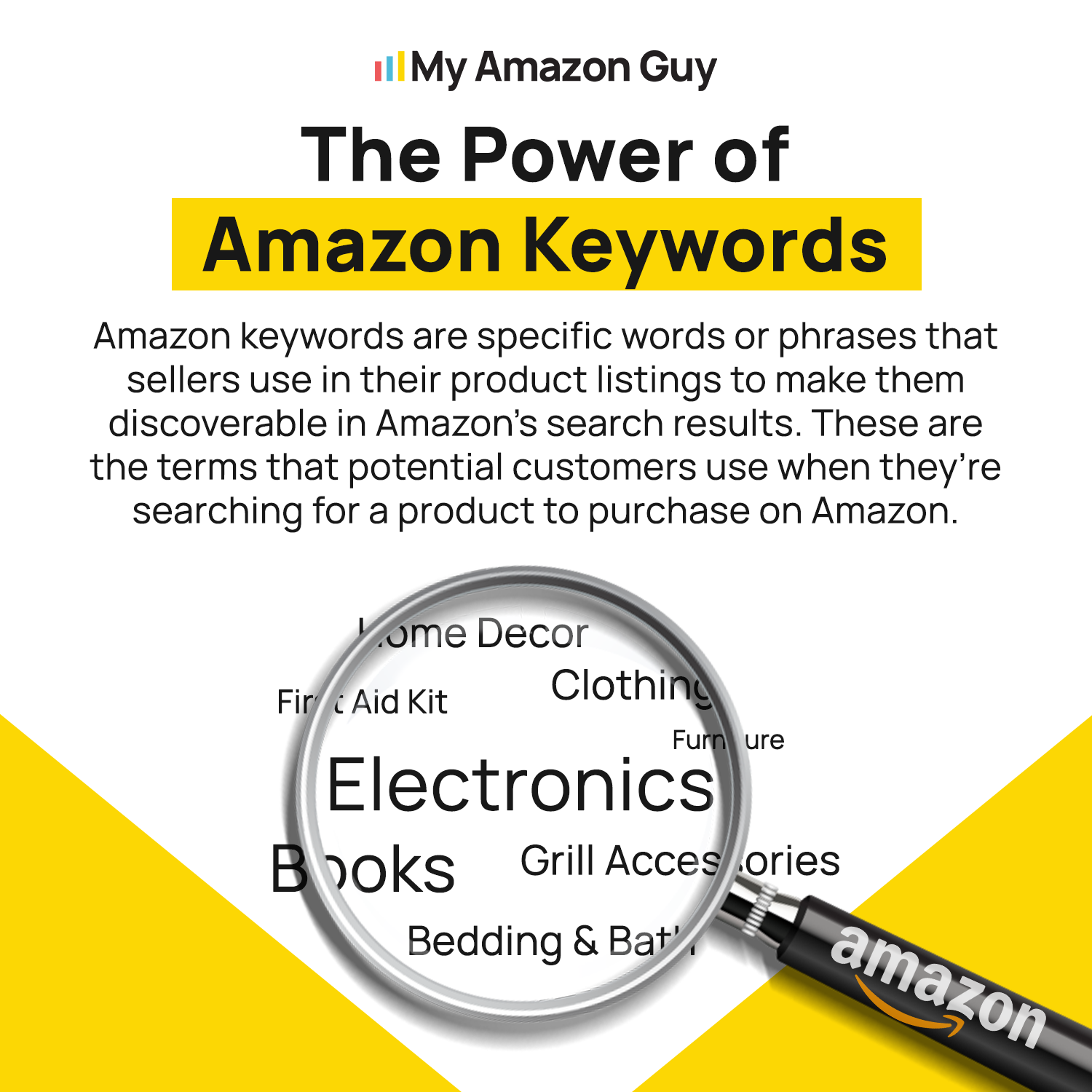
Search Engine Optimization plays a huge role in getting your product in front of the right customers. Use relevant, food-specific keywords in:
- Product Title
Include essential keywords such as the product type (e.g., organic, gluten-free, snack), brand name, and important features like flavor or pack size. - Bullet Points
Use the bullet points to emphasize unique selling points like “organic ingredients”, “handmade”, or “low sugar”. Highlight any certifications such as “USDA Organic” or “Non-GMO”. - Backend Keywords
In the backend search terms section, include any additional keywords that may not fit naturally into your title or bullets, such as variations of food terms (e.g., “keto snack”, “healthy snack”).
4. Highlight Certifications and Unique Selling Points
Many food customers look for specific qualities like Organic, Non-GMO, Kosher, or Gluten-Free. Make sure these certifications are visible in both your product description and images.
If your product targets a niche market, such as vegan or keto, use this to your advantage in marketing. Ensure your listing speaks directly to those consumers to boost relevance and trust.
5. Encourage Customer Reviews and Feedback
Positive reviews help build trust and credibility, especially for food products. You can encourage reviews by including compliant product inserts and using Amazon’s messaging system to thank customers and politely request feedback.
Always respond professionally to customer reviews, addressing concerns and offering solutions when needed. Engaging respectfully with both positive and negative reviews helps build confidence with future buyers.
6. Set Competitive Pricing
Pricing is a key factor when selling food products on Amazon. Monitor competitor prices regularly and adjust your pricing to stay competitive without hurting your profit margins.
Consider offering multi-packs or bundles to encourage bulk buying and boost perceived value. You can also use Amazon’s discount tools, like coupons and lightning deals, to attract budget-conscious shoppers.
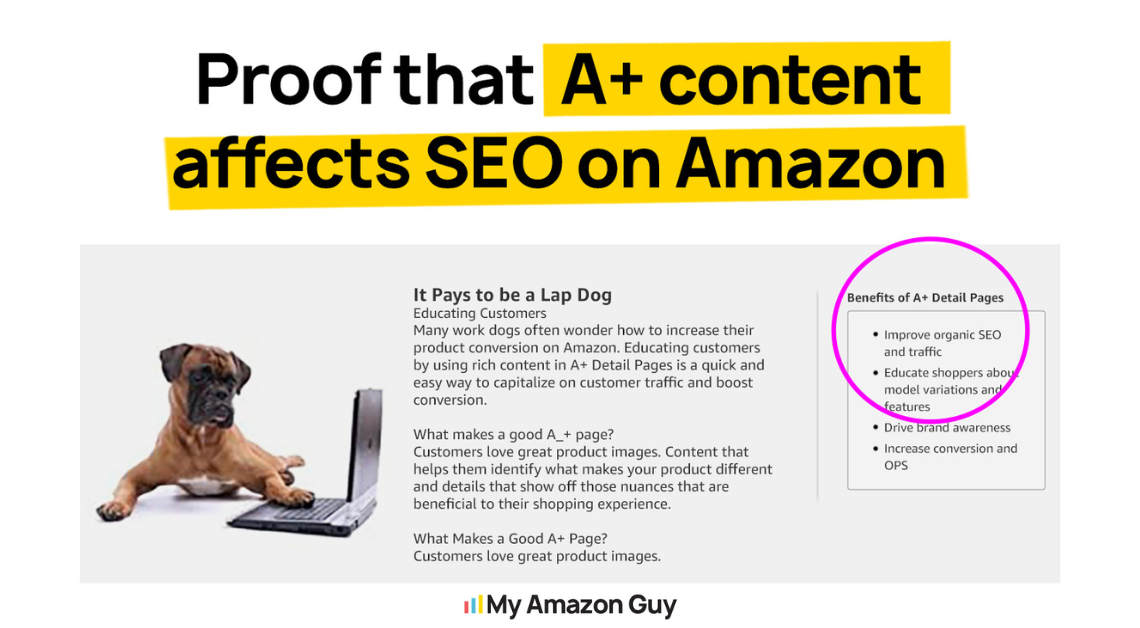
7. Use Enhanced Brand Content (A+ Content)
If you’re a brand-registered seller, use A+ Content to create visually rich product descriptions. This lets you showcase enhanced images, formatted text, and your brand story.
Highlight product features and customer testimonials to make your listings stand out. Using A+ Content can improve conversion rates and give your food products an edge over competitors.
Case Study: Chinook Seedery Amazon CPG Growth Strategy
One of the best examples of a successful Amazon CPG growth strategy is Chinook Seedery, a brand that started in a small kitchen, experimenting with sunflower seeds. They faced major challenges, including hijacked listings, stockouts, and unoptimized content that limited their growth on Amazon.
When Chinook Seedery partnered with our Amazon agency, we implemented a full-service strategy including listing optimization, catalog management, and advanced advertising campaigns. Our team also introduced tools like Shoppable Collections and rigorous A/B testing to strengthen brand defense and improve customer experience.
The results were dramatic: average weekly sales are now 215% higher than before our partnership. With sustained growth, improved ranking, and enhanced customer retention, Chinook Seedery has become a top-performing brand in the food and beverage category on Amazon.
FAQs About Selling Food Products on Amazon
Do I need FDA approval to sell food items on Amazon?
Yes, if you intend to sell food items on Amazon within the U.S., you must comply with FDA regulations. Your grocery products must meet FDA food safety standards and be properly labeled. In some cases, other regulatory approvals, such as from the USDA, may be necessary, depending on the type of product you're selling.
Can I sell homemade food in the grocery category on Amazon?
Generally, no. Amazon requires that all food sold on its platform be produced in a licensed facility that meets federal and local food safety standards. If you want to sell food products, they must be professionally packaged and labeled to comply with Amazon's guidelines. Homemade products that do not meet these criteria are not allowed.
What are the packaging requirements when it comes to selling food on Amazon?
When selling food products on Amazon, packaging is critical. Food items must be properly sealed and labeled to prevent contamination or spoilage during shipping. For temperature-sensitive grocery products, such as frozen or refrigerated items, you must ensure packaging maintains proper temperature control during transit. This is especially important if you intend to sell perishable items.
Is it profitable to sell groceries on Amazon?
Selling groceries can be highly profitable on Amazon, especially if you focus on niche or specialty items that aren't easily found in local stores. Amazon provides access to millions of customers looking for convenience and variety, which can help increase sales. However, profitability depends on effective inventory management, competitive pricing, and meeting Amazon’s strict guidelines for food safety and packaging.
Do I have to use Fulfillment by Amazon when selling food items on Amazon?
No, you don’t have to use FBA. While Fulfillment by Amazon can offer benefits like Prime shipping, food sellers can also choose Fulfillment by Merchant if they prefer to handle their own storage and shipping. This is often a good option for sellers of frozen or temperature-sensitive products. Amazon provides flexibility in choosing the fulfillment option that best suits your business.
How do I get approved to sell food on Amazon?
You must apply for approval in the Grocery & Gourmet Foods category through Seller Central. This requires:
Business license/tax info
FDA/USDA compliance documents
Product images showing labels
Proof of shelf life and expiration management
Amazon reviews your submission before granting approval.
Can I sell perishable or refrigerated foods on Amazon?
Yes, but they come with strict storage and shipping rules. You must ensure temperature compliance (e.g., meat and dairy at 32–41°F, frozen foods below 10°F). Only sellers with the proper facilities or approved logistics partners can sell these items successfully.
What certifications help food products stand out on Amazon?
Certifications like USDA Organic, Non-GMO Project Verified, Kosher, Gluten-Free, and Fair Trade add credibility. Displaying these certifications on product images and descriptions builds trust and can boost conversions.
Can I sell international or imported food products on Amazon?
Yes, but imported foods must comply with FDA import regulations and U.S. labeling standards. You may need additional documents, such as a Prior Notice of Imported Food or customs clearance paperwork.
What are Amazon’s rules about expiration dates?
All food items must have a visible expiration or best-by date. For FBA, products must have at least 90–180 days of shelf life remaining upon arrival at fulfillment centers. Expired items are not accepted and may be destroyed at the seller’s expense.
How can I prevent spoilage or damage during shipping?
Use insulated packaging, gel packs, dry ice, or vacuum-sealed bags for perishable items. For fragile foods (like glass jars), use bubble wrap and strong corrugated boxes. Amazon requires that all packaging withstand normal shipping stress.
What kinds of food products are restricted or prohibited on Amazon?
Restricted categories include:
Alcohol (except via special programs)
Raw milk, unpasteurized products
Homemade or unpackaged foods
Certain dietary supplements
Hazardous or unsafe items
Always check Amazon’s Restricted Products Policy before listing.
Do I need liability insurance to sell food on Amazon?
Yes. Amazon requires Professional Sellers with sales over $10,000/month to carry liability insurance. For food sellers, insurance is strongly recommended even below this threshold to protect against potential allergen or contamination claims.
How can I market my food products on Amazon effectively?
Strategies include:
Optimized listings with food-specific keywords
A+ Content with recipes or serving suggestions
Sponsored ads (PPC campaigns)
Subscribe & Save enrollment to encourage repeat buyers
Encouraging verified reviews to build credibility
What’s the biggest challenge of selling food on Amazon in 2025?
The rising competition and stricter compliance requirements. Sellers face higher PPC costs, increased regulation, and aggressive international competition. Success depends on finding a profitable niche, maintaining strict compliance, and leveraging branding + customer trust.
Get Approved to Sell Food Products on Amazon
Selling food products on Amazon offers a strong opportunity to grow your business, but success relies on meeting Amazon’s strict requirements and optimizing your listings. Following proper guidelines for packaging, labeling, and temperature control is essential to maintain quality and customer trust.
By focusing on high-quality product descriptions, images, and certifications, and implementing smart marketing strategies, you can set your food business apart from competitors. Staying on top of pricing, reviews, and enhanced content ensures your listings remain competitive and drive long-term growth.
Do you need help getting approved to sell food items on Amazon or managing your existing food business? Our Amazon agency can assist you in handling the complexities of the platform, from approvals to fulfillment. Contact us today!
Get Your Products Approved on Amazon
Our Amazon agency helps food brands optimize listings, manage inventory, and run high-converting ad campaigns to boost sales.