

Is your e-commerce site ready for the holiday season? If not, this e-commerce holiday readiness guide will help you prepare before the rush hits.
During the holidays, shoppers are willing to spend more on gifts, bundles, and last-minute deals. This gives e-commerce sellers a strong chance to increase sales if their store is fully prepped.
The problem is that many sellers don’t put enough time into planning and think a regular setup will carry them through. But relying on the basics rarely works when the competition is pushing harder than ever.
In this guide, we walk e-commerce sellers through key steps to prepare their stores for the holiday season, including inventory management, website readiness, and marketing strategies. We also cover tactics like email campaigns, social media, PPC, and holiday promotions to boost sales and capture seasonal shoppers.
Table of Contents
Boost Your Holiday Sales
Use proven strategies like email campaigns, social media, and seasonal deals to capture shoppers.
Why E-commerce Holiday Readiness Matters for Sellers
Holiday shoppers spend more during November and December than at any other time of the year. It has been reported that holiday sales from early November through Christmas Eve grew by 3.8% in 2024, beating the previous year’s 3.1% rise.
With this kind of growth, sellers who prepare early have a better chance of capturing the surge in buying intent. More consumers are shopping online for gifts, bundles, and convenience, which puts your store in the spotlight if it’s ready.
If your store isn’t optimized, those shoppers will simply buy from competitors who planned ahead. Missing out on seasonal demand can lead to lost revenue, lower visibility, and fewer repeat customers.
How To Prepare Your E-commerce Store for the Holidays
Having a clear checklist that guides sellers on what to prepare for their store will help ensure they hit their sales goals for the holiday season. By following these steps, sellers can optimize their listings, marketing, and inventory to make the most of the busy shopping months.
1. Auditing Historical Data
The first step in creating an effective holiday plan is always to review your historical data so you don’t go in blind. By understanding your past sales, campaigns, and customer behavior, you can make smarter decisions for inventory, marketing, and product focus this year.
Look at last year’s top-performing products, peak shopping days, and campaigns that drove the most traffic to uncover what worked and what needs improvement. You can also track trends within your niche using tools like Google Trends, Instagram hashtags, and Pinterest to predict demand and spot new product opportunities.
2. Website Speed Check
Nearly 50% of online shoppers won’t wait more than three seconds for a site to load, and holiday customers are even more impatient since they want their products in time for gifts and celebrations. It’s crucial that your site speed is optimized to keep up with the surge in holiday traffic and avoid losing potential buyers.
If you notice that your site is slow, try compressing images, minimizing unnecessary plugins, and using a reliable hosting provider. Faster load times not only improve conversions but also reduce bounce rates, keeping shoppers engaged and more likely to complete their purchases.

3. Supply & Inventory Management
The worst thing a seller can do during the holiday season is run out of stock, because each missed sale is lost revenue that may never return. To prevent this, confirm supplier production times, stock up on your top-selling products, and add a safety buffer to cover unexpected demand spikes.
Check that packaging, labels, and shipping materials are also ready, especially for fragile or giftable items that need extra protection. Sellers can also use inventory management tools or consider print-on-demand and dropshipping options to scale efficiently while keeping stock levels under control.
4. Ensure Your Site Can Handle Holiday Traffic
Holiday shopping drives a huge surge in visitors to e-commerce sites, and your store needs to handle the increase without crashing. If your site can’t keep up, frustrated shoppers will leave and turn to competitors, resulting in lost sales and missed opportunities.
To prevent this, check with your hosting provider about traffic limits and consider stress-testing your site before peak days. Monitoring tools and analytics can also help you track performance and ensure your store stays stable during high-demand periods.
5. Storefront Decoration
Believe it or not, adding seasonal designs to your store can spark emotions that influence buying decisions. When shoppers feel that festive energy, it creates a sense of connection that makes them more comfortable browsing and purchasing.
This is why sellers should update their storefronts with holiday-themed visuals that fit their brand and reflect the excitement of the season. A well-designed layout with the right colors and elements can push that emotional trigger and keep shoppers engaged longer.
Get Your Store Holiday-Ready
Ensure your listings, marketing, and inventory are optimized for the busiest shopping season.
6. Product Listing Optimization
Just like your storefront, your listings deserve a seasonal refresh with updated copy, sharper visuals, and holiday-ready themes that feel intentional. Since shoppers are actively hunting for gifts, your images should show the product in a gifting context so buyers instantly see its value for the season.
When people can picture how the item fits into their holiday plans, they’re far more likely to add it to their cart. This simple shift helps them imagine your product as the “right choice”, boosting clicks and conversions when competition is at its peak.
7. PPC or Ads Management
When it comes to ads, some sellers think their standard campaigns are enough and skip creating holiday-specific targeting or messaging. This makes them miss shoppers who are actively searching with higher intent and ready to buy from someone who speaks to what they want now.
Running the same settings you use all year can also hurt visibility because holiday searches spike fast, and competition pushes ad costs up. With smarter targeting and timely promotions, sellers can reach shoppers who have already shown interest and convert them before a competitor does.
8. Social Media Marketing
Trust plays a massive role in online shopping, and social media is one of the strongest tools to earn it. Research shows that social media marketing influences customer trust by 65.8% and purchase intentions by 69.6%, proving how powerful it is when sellers show up with real, consistent content.
Holiday-heavy content also drives engagement since most consumers say they look to social media for gift ideas during the season. By posting holiday-themed visuals, sharing deals, encouraging UGC, and running targeted promos, sellers can tap into this behaviour and guide shoppers straight to their listings.
9. Email Marketing
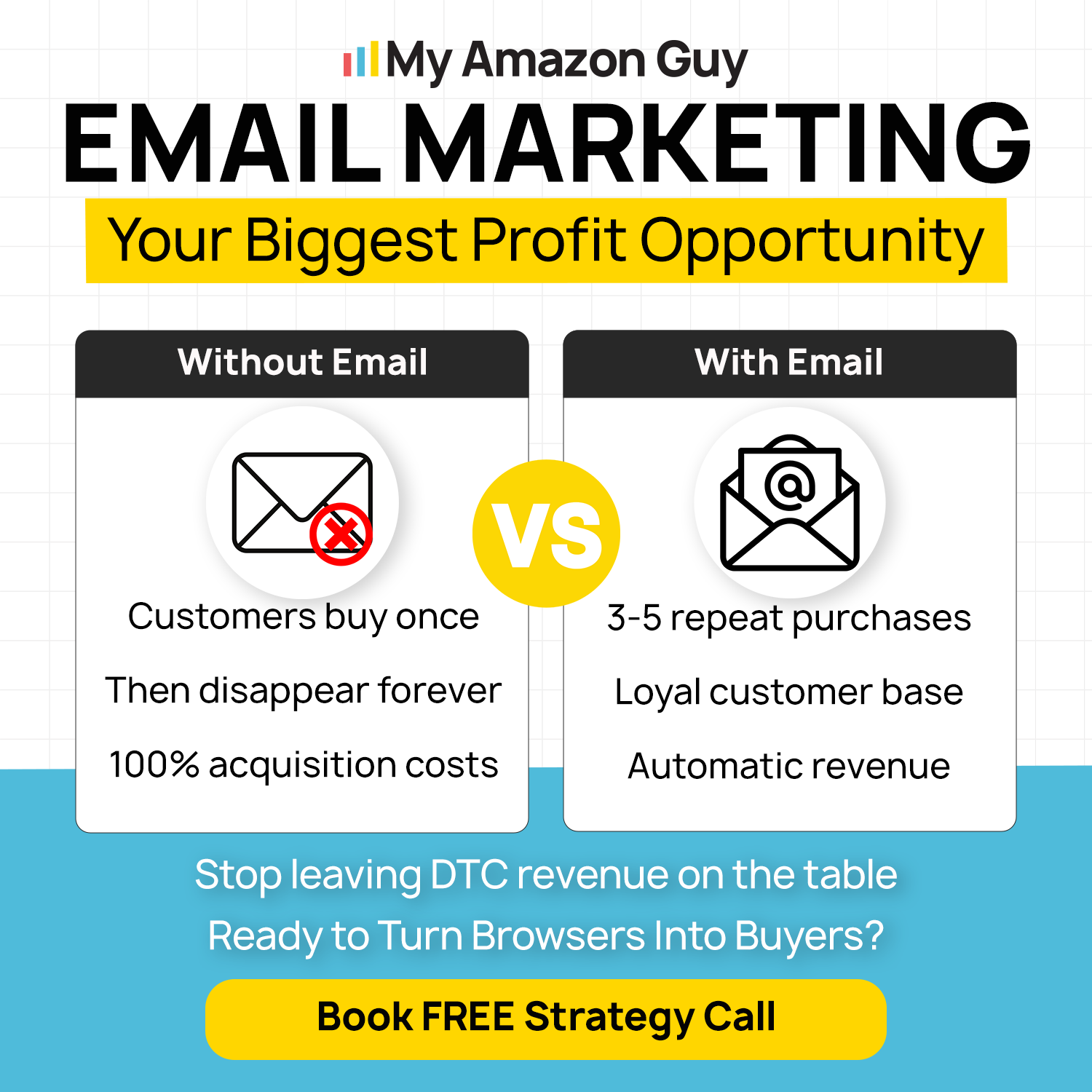
Even though some may think email marketing is outdated, it remains highly effective, with 47.5% of marketers reporting strong results across e-commerce businesses. Sellers should craft well-designed, holiday-focused emails to engage shoppers, highlight promotions, and guide them toward completing purchases.
Automated campaigns like abandoned cart emails, segmented VIP offers, and holiday gift guides can boost conversions while building customer loyalty. By planning campaigns early, personalizing content, and including clear deadlines, sellers can capture shoppers’ attention in a crowded inbox and maximize holiday sales.
10. Offer Holiday Bundles or Seasonal Deals
Many shoppers wait until the holidays, expecting special bundles or seasonal deals, so offering promotions can capture this eager audience. Discounts, buy-one-get-one offers, or free shipping can encourage shoppers to buy more while increasing overall sales.
Creating a promotions calendar helps sellers plan and target these deals effectively, ensuring campaigns go live at peak shopping times. Bundles and limited-time offers not only drive higher order values but also attract new customers and keep them coming back.
FAQs About E-commerce Holiday Readiness
When should I start preparing for the holidays?
Start planning at least 2–3 months in advance to review past sales data, stock up on inventory, and schedule marketing campaigns. Early preparation ensures you’re ready for peak traffic and avoids last-minute issues.
How can I prevent my site from crashing during holiday traffic spikes?
Test your website’s load capacity with your host and use scalable hosting or a content delivery network (CDN). Ensure all apps and plugins are optimized and avoid major site changes right before peak season.
What’s the most effective marketing channel for holiday sales?
Email marketing remains highly effective, with nearly 70% of shoppers preferring it for promotions. Combine it with social media campaigns to increase reach, engagement, and trust during the holidays.
Wrapping Up Your Holiday E-commerce Strategy
Being ready for the holiday season isn’t optional; it’s essential for sellers who want to maximize sales and capitalize on increased shopper activity. Every element, from inventory to website performance and marketing campaigns, contributes to converting holiday traffic into revenue.
Thorough holiday readiness allows sellers to avoid common pitfalls like stockouts, slow sites, or poorly optimized listings that can cost both sales and customer trust. By following a structured plan, you can make the most of peak buying periods and set your store up for long-term success.
Need help getting your e-commerce store holiday-ready? Contact our full-service Amazon agency. We also support e-commerce sellers with strategy, planning, and execution to make sure they’re ready for the busiest shopping season of the year.
Maximize Seasonal Conversions
Plan promotions, bundles, and holiday campaigns that drive revenue and repeat customers.